
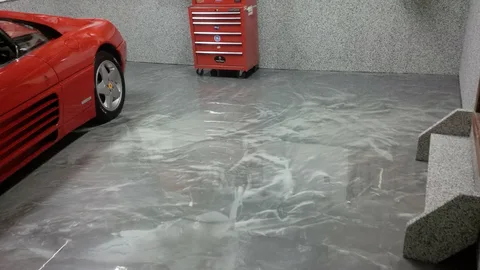
Garage Floor Coatings in Palmetto, FL Flooring Guide
Learn how garage floor coatings in Palmetto, FL work, what affects durability, how surfaces are prepared, and which coating mistakes homeowners should avoid.
A garage floor deals with vehicle traffic, dirt, moisture, tools, spills, and daily wear. Earthstone Epoxy Coating LLC works with residential concrete surfaces where preparation and coating choice can make a major difference in how the finished floor performs.
Homeowners considering garage floor coatings should look beyond color and decorative flakes. Surface condition, moisture, cracks, preparation, coating type, and curing time all affect the final result. In Palmetto and Bradenton, FL, planning the project around the actual condition of the concrete can help prevent peeling, uneven finishes, and early coating failure.
What Makes Garage Floor Coatings Perform Well?
A durable garage coating starts with the concrete underneath it. Even a high-quality coating can struggle if installers apply it over dust, oil, weak concrete, or moisture problems.
Before installation, the floor should be inspected for:
- Oil and chemical stains
- Existing paint or coatings
- Cracks and surface damage
- Moisture concerns
- Uneven areas
- Weak or deteriorating concrete
- Previous repairs
Preparation may involve cleaning, grinding, repairing cracks, or removing old coatings. The exact process depends on the floor.
The goal is to create a clean, stable surface that allows the new coating system to bond properly.
Why Garage Floor Coatings Need Proper Surface Preparation
Poor preparation is one of the main reasons floor coatings fail early.
A garage floor coatings in Palmetto, FL may look clean while still holding fine dust, oils, sealers, or other materials that interfere with adhesion. Simply washing the floor may not create the surface profile needed for a lasting bond.
Mechanical preparation can help remove weak surface material while opening the concrete for better coating adhesion.
Cracks also need attention before coating. Covering a damaged area without evaluating it may hide the problem temporarily rather than correct it.
Epoxy Coatings vs. Basic Floor Paint
Garage coating systems and standard concrete paint are not the same.
| Option | Typical Use | Main Consideration |
| Floor paint | Light cosmetic improvement | May wear faster under vehicle traffic |
| Epoxy coating | Residential garage floors | Strong bond when properly prepared |
| Decorative flake system | Garages and finished concrete | Adds texture and visual variation |
| Clear protective topcoat | Added surface protection | Depends on compatible base coating |
Homeowners looking for the best garage floor coating should focus on the complete system rather than one product label.
Preparation, base coat, decorative material, topcoat, and curing all work together.
What Affects Garage Floor Coating Durability?
Several conditions influence how long a coating performs.
Vehicle traffic matters, but so do sunlight, heat, moisture, chemical exposure, and maintenance habits.
A garage used mainly for parking has different needs than one used as a workshop or home gym.
Other factors include:
- Quality of concrete preparation
- Number and type of coating layers
- Existing moisture conditions
- Curing time
- Tire traffic
- Oil and chemical exposure
- Direct sunlight near the garage opening
- Cleaning methods
Homeowners should explain how they use the garage before choosing a coating system.
Garage and Interior Epoxy Coatings Serve Different Spaces
Garage and interior epoxy coatings in Bradenton FL can use similar materials, but the performance requirements may differ.
Garage floors must handle tires, automotive fluids, dirt, and heavier impact. Indoor floors may place more emphasis on appearance, comfort, cleaning, and how the finish fits surrounding rooms.
The coating should match the space.
A decorative finish that works well in an indoor utility room may need different protection when installed in a garage exposed to vehicles and outdoor debris.
Common Garage Floor Coating Mistakes
One common mistake is applying a coating over concrete that has not been properly prepared.
Another is ignoring moisture. Moisture moving through concrete can interfere with some coating systems and cause bubbles, peeling, or loss of adhesion.
Homeowners should also avoid:
- Coating over oil contamination
- Skipping crack evaluation
- Using incompatible coating layers
- Driving on the floor before full curing
- Choosing finishes based only on appearance
- Ignoring slippery surface concerns
- Using harsh cleaning methods without checking coating requirements
Good installation depends on preparation and timing as much as the coating itself.
Best Practices for a Garage Coating Project
Clear the garage completely before work begins. This gives installers access to edges, corners, cracks, and areas under storage equipment.
Discuss the condition of the concrete before selecting colors or flakes.
Ask what surface preparation method will be used and how existing coatings or stains will be handled.
It is also important to understand curing time. A coating may feel dry before it is ready for heavy items or vehicle traffic.
Once installed, clean spills before they sit for long periods. Sweep dirt and grit regularly because abrasive debris can slowly wear finished surfaces.
Actionable Tips Before Choosing a Garage Floor Coating
Start by looking closely at your existing concrete.
Check for cracks, dark stains, peeling paint, moisture marks, and previous repairs.
Then ask these questions before approving a project:
- How will the concrete be prepared?
- Will cracks or damaged areas be repaired first?
- What coating system will be used?
- How long should the floor cure?
- When can vehicles return to the garage?
- What cleaning products are safe afterward?
For homeowners in Palmetto and Bradenton, the best coating choice should reflect how the garage is actually used rather than following a standard design for every property.
Conclusion
Properly installed best garage floor coating can improve the appearance and usability of a concrete garage floor, but the finished result depends heavily on preparation, material compatibility, surface condition, and curing.
Earthstone Epoxy Coating LLC provides epoxy garage flooring and related residential coating services for Florida homeowners. For properties in Palmetto and Bradenton, evaluating the concrete first can help homeowners choose a coating system that fits both the condition of the floor and the way the garage is used.
FAQs
1. How long do garage floor coatings last?
Service life depends on preparation quality, coating type, vehicle traffic, moisture, cleaning habits, and overall use of the garage.
2. Can epoxy be applied over cracked concrete?
Minor cracks may be repaired before coating, but the cause and condition of the damage should be evaluated first. Some cracks may continue moving over time.
3. How long before I can park on a newly coated garage floor?
Curing times vary by coating system and environmental conditions. Follow the installer or product guidance before returning vehicles to the surface.
4. Are garage floor coatings easy to clean?
Many coated surfaces are easier to sweep and clean than unfinished concrete. Use cleaning products that are compatible with the specific coating.
5. What should I look for when choosing the best garage floor coating?
Consider surface preparation, coating system, durability needs, slip resistance, maintenance, curing time, and how the garage will be used.