
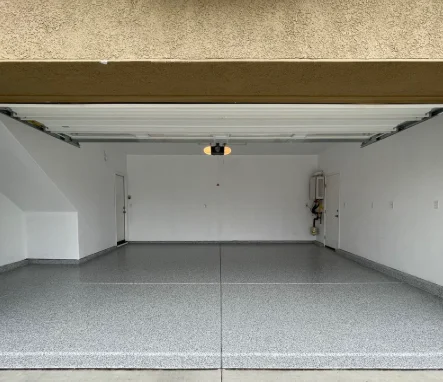
Best Epoxy Coating Services in Roseville, CA
Transform your garage with the best epoxy coating services in Roseville, CA. Capital Carpentry delivers durable, beautiful floors. Request your free quote today.
Your garage floor is stained with oil spots, tire marks, and years of concrete dust that never sweeps clean. The cracks have spread from the expansion joints into the main slab, and every time it rains, water pools in the low spots and leaves a white efflorescence stain when it dries. You have been thinking about an epoxy coating for two years but every company you called either quoted a price that seemed too good to be true or pushed a system you did not understand. In Roseville, CA, these are not unusual concerns — they are the reality of living with bare concrete in a climate that swings from 110-degree summer heat to wet winter rains that test every surface. Finding the best epoxy coating services means partnering with a team that understands both the chemistry of adhesion and the specific conditions that cause floors to fail in the Sacramento Valley. At Capital Carpentry, we have spent years installing garage and commercial floor coatings that survive Central California’s temperature extremes while looking better than the day they were finished.
What Professional Epoxy Coating Actually Involves
Epoxy coating is a multi-layer flooring system applied over prepared concrete to create a durable, chemical-resistant, and visually appealing surface. The process begins with mechanical surface preparation — typically diamond grinding — to open the concrete pores and create the surface profile necessary for chemical bonding. Cracks and spalls are repaired with epoxy patch compounds. A primer or moisture barrier coat is applied if slab moisture levels exceed acceptable ranges. The base coat of 100-percent-solids epoxy is rolled or squeegeed onto the prepared surface, followed immediately by broadcast of vinyl color flakes to refusal if a decorative finish is desired. After the base coat cures, excess flakes are scraped and vacuumed, and a clear polyaspartic or polyurethane topcoat is applied to provide UV stability, chemical resistance, and abrasion protection.
Reliable epoxy coating services in Roseville, CA, we have noticed that most homeowners focus on color and flake pattern while ignoring the preparation phase. The truth is that epoxy failure is almost never caused by the coating itself — it is caused by inadequate surface prep, unaddressed moisture vapor transmission, or application in temperature or humidity conditions outside the manufacturer’s specifications. A floor that looks beautiful on day one can peel in sheets by month six if the concrete was not properly profiled or if moisture pressure beneath the slab pushes the coating off. We always test slab moisture levels with calcium chloride kits or in-situ relative humidity probes before quoting, because Roseville’s clay-heavy soils and seasonal groundwater changes create vapor pressure that destroys improperly specified systems.
Working with clients in Roseville, our team found that hot tire transfer is one of the most common failure modes in residential garage floors. When you park a car with hot tires directly on an epoxy floor, the heat softens the coating and the tire compound can chemically bond to or lift the epoxy surface. Standard water-based epoxies and DIY kits are particularly vulnerable to this. We specify 100-percent-solids epoxy base coats with polyaspartic topcoats that have higher heat resistance and cross-link density, significantly reducing hot tire pickup risk. This specification costs more upfront but eliminates the frustration of peeling floors within the first year.
The Real Challenge in Roseville, CA
The Sacramento Valley climate creates epoxy challenges that coastal or moderate-climate installers never face. Roseville experiences temperature swings exceeding 70 degrees between summer peaks and winter lows. The intense summer sun heats garage slabs to 120 degrees or more, stressing the coating’s thermal expansion properties. Winter rains bring moisture that can penetrate through poorly sealed concrete joints, creating hydrostatic pressure beneath the coating. Add the agricultural and automotive chemicals common in Central Valley garages — fertilizer, pesticides, motor oil, brake fluid, antifreeze — and you have a chemical exposure profile that demands industrial-grade performance from a residential floor system.
A client in Trusted epoxy coating services in Roseville, CA reached out when their DIY epoxy kit floor began peeling at the tire contact points within four months of application. They had cleaned the concrete with a degreaser, etched it with muriatic acid, and rolled on a two-part epoxy from a home improvement store. The problem was twofold: the acid etch did not create the surface profile needed for mechanical bonding, and the water-based epoxy formula was not rated for the thermal cycling and chemical exposure of an active garage. We ground the failed coating off entirely, repaired the underlying concrete damage, applied a moisture-suppressing primer after testing confirmed elevated vapor transmission, and installed a 100-percent-solids flake system with a polyaspartic topcoat. Two years and two Sacramento summers later, that floor still looks new despite daily vehicle traffic and occasional chemical spills.
Here is the objection most competitors never answer: homeowners worry that epoxy coating will make their garage floor slippery, especially when wet, creating a safety hazard. The truth is that professional systems include slip-resistant additives — either broadcast silica into the topcoat or textured flake surfaces that provide grip even when wet. We always discuss slip resistance during consultation and can adjust the texture level based on whether your garage is used for vehicle parking, workshop activity, or both. A properly specified epoxy floor is significantly safer than bare polished concrete.
How Capital Carpentry Approaches It Differently
Most Affordable epoxy coating services in Roseville, CA companies in the Sacramento area treat every garage as a standard two-day job. They show up, grind the floor, patch obvious cracks, apply base coat and flake, and return the next day for the topcoat. At Capital Carpentry, we know that Roseville’s specific combination of clay soils, temperature extremes, and agricultural chemical exposure demands a more diagnostic approach.
We begin every project with a full slab assessment. We test for moisture vapor emission rate using ASTM F1869 calcium chloride testing or ASTM F2170 in-situ probes. We map crack patterns to identify active structural cracks that will continue moving beneath the coating. We check for previous coatings, sealers, or curing compounds that could interfere with adhesion. Only after this assessment do we specify the right system and preparation protocol. This prevents the callbacks and warranty claims that plague companies who apply the same system to every slab regardless of condition.
Our competitor gap insight: we integrate moisture mitigation into every Roseville epoxy project where testing indicates risk. Most epoxy installers skip moisture testing entirely or rely on visual inspection — if the slab looks dry, they assume it is dry. In reality, concrete slabs can emit vapor for years after pouring, and Roseville’s seasonal groundwater fluctuations create pressure that pushes moisture upward through the slab. We install moisture-suppressing primers or full vapor barrier systems when testing indicates risk, even though this adds cost and a day to the schedule. This is not something you will find in generic epoxy articles because it requires specialized testing equipment, additional material knowledge, and a willingness to reduce profit margins to prevent future failures — and most competitors simply do not bother.
We also use industrial-grade 100-percent-solids epoxy rather than the water-based or thin-film products common in residential applications. The material costs more, but it builds to a thicker, more durable film that resists abrasion, chemicals, and thermal stress. Combined with a polyaspartic topcoat rated for UV exposure, our systems maintain color stability and gloss even on south-facing garage doors that receive direct afternoon sun.
Practical Tips: What to Know Before You Decide
If you are considering epoxy coating for your Roseville garage or commercial floor, here are the facts that actually matter:
- Verify the preparation method. Acid etching is obsolete and inadequate for professional adhesion. Demand mechanical diamond grinding with proper dust containment. If a contractor suggests acid etch or power washing as primary prep, they are cutting corners that will cost you later.
- Demand moisture testing. Any reputable installer will test slab moisture before applying epoxy. If they do not mention it, they are either inexperienced or planning to blame you when the coating peels. Ask for the specific test method and acceptable readings before signing.
- Understand the cure schedule. Polyaspartic topcoats allow faster return to service — often 24 hours to walk on and 72 hours to park — but they require precise application conditions. Epoxy-only systems need longer cure times but are more forgiving during application. We explain the trade-offs and recommend the right system for your timeline and usage.
In Roseville, CA, we have noticed that most homeowners who choose Capital Carpentry over cheaper alternatives do so after watching a budget installation fail. One customer told us they had hired a company that quoted $1,200 for a two-car garage — less than half our price. The crew spent two hours on prep, applied a thin water-based epoxy, and skipped the topcoat entirely. The floor yellowed within three months, peeled at the tire spots within six, and had to be completely removed and redone. Our proper grinding, moisture testing, and full-spec system would have cost less than the double installation.
One local market-specific tip: if your garage is in one of Roseville’s newer developments like Westpark or Fiddyment Farm, your builder likely applied a curing compound or sealer to the slab during construction to aid finishing. These compounds create a surface barrier that prevents epoxy adhesion unless mechanically removed. Standard grinding may not penetrate these treatments fully. We use specialized grinding sequences and adhesion tests to confirm the surface is ready before applying any coating. Skipping this step is the leading cause of failure in new-construction garages.
Your Roseville Floor Deserves a Coating That Actually Lasts
Stop living with stained, cracked concrete that sheds dust and stains with every spill. Capital Carpentry brings diagnostic preparation, moisture-smart specification, and industrial-grade materials to every epoxy coating project in Roseville, CA — floors that survive Sacramento Valley heat, resist agricultural and automotive chemicals, and look professional for years. Whether you are coating a residential garage, a workshop, or a commercial space, our team has the local knowledge and technical skill to deliver results that outlast the seasons. Contact Capital Carpentry today for a free slab assessment and discover why more Roseville homeowners trust us for the best epoxy coating services in the Sacramento Valley.
Frequently Asked Questions
How much do epoxy coating services cost in Roseville, CA?
A standard two-car garage flake floor typically runs $2,000 to $3,000 including full diamond grinding, crack repair, base coat, flake broadcast, and polyaspartic topcoat. Larger garages, commercial spaces, or metallic finishes range higher. We provide detailed written estimates after our free slab assessment — no hidden costs.
Will epoxy coating make my garage floor slippery?
Not if properly specified. We include slip-resistant additives in the topcoat and can adjust texture levels based on your usage. Decorative flake systems provide natural texture, and we offer additional silica broadcast for workshops or areas where oil and water exposure is common.
How do I know Capital Carpentry is legit and not a fly-by-night installer?
We are fully licensed and insured in California with a C-6 Cabinet, Millwork and Finish Carpentry license that covers our flooring work. We provide written warranties on materials and installation, maintain active memberships with local builder associations, and connect you with real Roseville references from completed projects.
How long does the epoxy installation process take?
Most residential garage floors are completed in two days: day one for grinding, crack repair, base coat, and flake broadcast; day two for scraping, vacuuming, and topcoat application. You can walk on the floor after 24 hours and park vehicles after 72 hours. We always provide a clear timeline before starting.
Can epoxy coating fix my cracked and pitted concrete?
Epoxy coating will cover minor pitting and hairline cracks, but it will not repair structural damage or active moving cracks. We fill and repair all cracks and spalls during preparation, but if your slab has significant settlement or structural issues, those must be addressed before coating. We assess this during our free slab evaluation and give you an honest recommendation.