
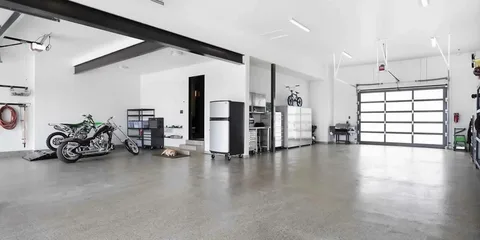
Best Garage Floor Coating Services in Lakewood Ranch and Parrish, FL
A garage floor deals with more wear than many homeowners realize. Vehicles bring in dirt and moisture, oil can leave stains, and tools or equipment can scratch unfinished concrete. If the garage also serves as a workshop, storage area, or home gym, the floor may experience even more daily traffic. Choosing the Earthstone Epoxy Coating can help create a cleaner, more durable surface when the existing concrete is suitable for coating.
In Lakewood Ranch and Parrish, FL, homeowners should also consider local weather conditions. Heat, humidity, rain, and moisture can influence both concrete and flooring materials. Proper preparation matters just as much as the coating itself.
Earthstone Epoxy Coating provides garage coating services in these communities. This guide explains the practical factors homeowners should consider when planning a garage floor coating project, from surface condition and safety to finish selection and maintenance.
What Makes a Garage Floor Coating Worth Considering?
A garage coating can change both the performance and appearance of a concrete floor. Epoxy systems, in particular, form a hard surface after the resin and hardener react and cure.
A suitable coating may offer:
- Easier routine cleaning
- Better resistance to everyday stains
- Protection against normal surface wear
- Reduced concrete dust
- Multiple color and finish choices
- A more finished appearance
The coating does not eliminate every flooring concern. Performance depends on the product, concrete condition, installation quality, traffic, and ongoing care.
Garage Floor Coating Installation Starts With the Concrete
The condition of the concrete should guide the project. Before applying a coating, an installer should examine the surface for problems that could affect adhesion or long-term performance.
Common concerns include:
Cracks: Small cracks may require suitable repairs. Moving or significant cracks need additional evaluation.
Oil and grease: Automotive contaminants can interfere with coating adhesion if they remain on the surface.
Weak concrete: Flaking, deteriorated, or powdery concrete may need attention before coating.
Old coatings: Existing paint or flooring materials may require removal or specialized preparation.
Moisture: Water moving through the slab can create problems for certain coating systems.
Why Surface Preparation Matters
A coating needs a suitable surface to bond with. Cleaning alone may not provide the required surface profile. Depending on the project, mechanical grinding or another approved preparation method may help create the right conditions for application.
The preparation approach should match the coating manufacturer’s requirements and the condition of the slab.
Choosing the Right Finish
Garage flooring does not have to look like plain concrete. Homeowners can choose from several finishes depending on the coating system.
Solid-color finishes offer a simple and consistent appearance. They can work well for homeowners who prefer a clean, understated design.
Decorative flake finishes introduce multiple colors and visual texture. They can also help make small amounts of dirt less noticeable between cleanings.
Gloss finishes create a bright appearance, although they can make dust and surface marks more visible.
The finish should complement the way you use the garage rather than being selected only for its appearance.
Why Consider Garage and Interior Epoxy Coatings?
Garage and interior epoxy coatings in Lakewood ranch FL can work in more than one part of a home. When the concrete and environmental conditions are appropriate, similar coating concepts may apply to workshops, utility rooms, home gyms, and other interior spaces.
However, each space has different demands.
A garage may need to handle:
- Vehicle traffic
- Tire contact
- Automotive fluids
- Dirt and grit
- Tools and equipment
- Moisture from wet vehicles
An interior area may place more emphasis on:
- Foot traffic
- Furniture movement
- Appearance
- Cleaning
- Decorative finishes
Choosing the system based on the actual use of the room helps avoid performance problems.
Adding Safety With Anti-Slip Garage Floor Coatings
Smooth floors can become slippery when water or other liquids reach the surface. Homeowners who frequently wash vehicles in the garage or track in rainwater may want to discuss anti-slip garage floor coatings in Parrish, FL or texture options with an installer.
Anti-slip performance can come from the coating system, aggregate, flakes, or another surface treatment, depending on the product.
When discussing slip resistance, ask:
- What texture does the system provide?
- How does it perform when wet?
- Will the texture affect cleaning?
- Is additional aggregate recommended?
- How will the finish feel under normal foot traffic?
A balance between traction and cleanability matters. An overly rough surface can make sweeping and mopping more difficult.
How to Evaluate the Best Garage Floor Coating Services
When comparing contractors, avoid judging the project only by the final photographs or advertised price.
Look for clear information about:
- Concrete inspection
- Surface preparation
- Crack repairs
- Moisture concerns
- Coating specifications
- Decorative options
- Protective topcoats
- Curing requirements
- Maintenance instructions
Ask for a written project scope. It should explain what preparation the contractor will perform and which materials and coating layers the estimate includes.
Homeowners in Lakewood Ranch and Parrish should also ask how the proposed system suits local heat, humidity, and moisture conditions.
Common Mistakes to Avoid
Choosing Based Only on Price
A low quote may exclude important preparation, repairs, or protective layers. Compare the complete scope instead.
Coating Contaminated Concrete
Oil, grease, dust, and other contaminants can interfere with adhesion. Proper preparation should address them.
Ignoring Moisture
Moisture problems can affect certain coating systems. Investigate known water intrusion or dampness before installation.
Covering Serious Concrete Damage
A coating improves the surface but cannot correct structural movement. Significant cracks may require further assessment.
Overlooking Slip Resistance
A glossy finish may look attractive, but homeowners should consider how the floor behaves when wet.
Returning to Normal Use Too Early
The coating needs enough time to cure. Vehicle and heavy traffic should wait until the manufacturer permits it.
Best Practices for Garage Floor Care
Once the coating has cured, routine maintenance can help preserve the surface.
- Sweep away dirt and grit regularly.
- Clean oil and chemical spills promptly.
- Use cleaning products recommended for the coating.
- Avoid abrasive brushes and harsh tools.
- Lift heavy items instead of dragging them.
- Use protective pads under heavy equipment when appropriate.
- Check periodically for chips, peeling, or other damage.
- Follow the manufacturer’s maintenance recommendations.
Good maintenance does not require complicated routines. Consistent cleaning and prompt attention to spills can help keep the floor in better condition.
Practical Questions to Ask Before Installation
Before selecting a garage flooring system, consider:
How is the garage used? Parking, storage, workshops, and gyms create different demands.
What condition is the concrete in? Existing damage can affect preparation and project scope.
Does the area experience moisture? Florida weather and wet vehicles can introduce moisture into the garage.
Do you need extra traction? Consider an anti-slip finish if the floor regularly becomes wet.
What appearance do you want? Choose between solid colors, decorative flakes, and other available finishes.
How long can the garage remain unavailable? Plan around preparation, application, and curing time.
These questions can help homeowners communicate their needs clearly before work begins.
Conclusion
Choosing the best garage floor coating services in Lakewood Ranch or Parrish, FL, involves more than selecting an attractive finish. Concrete condition, preparation, moisture, traffic, slip resistance, coating specifications, and maintenance all affect the final result.
Homeowners should compare the full installation scope and ask detailed questions before making a decision. A suitable coating, properly prepared concrete, adequate curing, and regular care can create a garage floor that is easier to maintain and better suited to everyday use.
FAQ
1. What is the best coating for a residential garage?
The right coating depends on concrete condition, vehicle traffic, moisture, chemical exposure, appearance preferences, and maintenance needs. Epoxy is one common option for suitable concrete.
2. Are anti-slip garage floor coatings worth considering?
They can be useful where floors frequently become wet. Discuss available texture or aggregate options with the installer and consider how the finish will affect both traction and cleaning.
3. Can epoxy cover existing garage floor cracks?
Minor cracks may receive appropriate repairs before coating. Significant or moving cracks require further evaluation because a coating cannot correct structural movement.
4. How long does a garage coating take to cure?
Curing time varies by product and installation conditions. Follow the manufacturer’s instructions before allowing foot, vehicle, or heavy traffic.
5. How do I keep a coated garage floor clean?
Sweep regularly, clean spills promptly, and use cleaning products recommended for the coating system. Avoid abrasive tools and dragging heavy objects across the surface.