
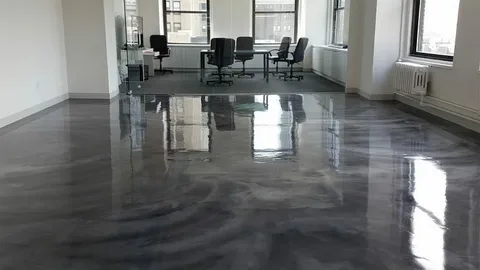
Garage and Interior Epoxy Coatings in Lakewood Ranch and Venice FL
Concrete floors in garages and interior spaces face different types of wear. Garages deal with vehicle traffic, oil, dirt, moisture, and dropped tools, while interior concrete floors may see foot traffic, spills, furniture, and routine cleaning. Earthstone Epoxy Coating can provide a protective finish for suitable concrete while improving the surface’s appearance and cleanability.
For homeowners in Lakewood Ranch and Venice, FL, the local environment can also influence flooring decisions. Heat, humidity, rain, and moisture may affect concrete and coating systems. Before installation, homeowners should evaluate the condition of the existing slab, how they use the space, and which coating system matches those conditions.
Understanding the installation process, available finishes, and maintenance requirements can help homeowners plan a flooring project based on practical needs.
What Are Garage and Interior Epoxy Coatings?
Epoxy is a resin-based flooring material that combines resin with a hardener and cures into a solid surface. When applied to properly prepared concrete, it can create a durable and relatively easy-to-clean finish.
Epoxy can suit various spaces, including:
- Residential garages
- Workshops
- Home gyms
- Utility rooms
- Storage areas
- Hobby spaces
- Certain commercial interiors
The product should match the environment. A garage floor exposed to vehicles and automotive fluids has different requirements from a lightly used interior room.
How Epoxy Floor Installation Works
A successful flooring project starts with proper concrete preparation. Applying epoxy directly over dirty, weak, or unsuitable concrete can lead to adhesion and durability problems.
Key Steps in Garage Floor Coating Installation
A typical installation may include:
- Concrete inspection: Check for cracks, stains, moisture, weak areas, and existing coatings.
- Cleaning: Remove oil, grease, dirt, dust, and other contaminants.
- Mechanical preparation: Grinding or another suitable method creates the surface profile needed for bonding.
- Concrete repairs: Address appropriate cracks, pits, and surface defects.
- Base coat: Apply the selected epoxy system according to product specifications.
- Decorative finish: Add flakes, colors, or other design elements when desired.
- Protective topcoat: Some systems include an additional layer for wear or chemical resistance.
- Curing: Allow sufficient time before returning the floor to regular use.
The exact process varies according to the product, concrete condition, and intended application.
Benefits of Epoxy Flooring
Easier Cleaning
A properly coated concrete surface generally makes routine cleaning simpler. Dirt and spills have fewer opportunities to penetrate the concrete.
Protection Against Everyday Wear
Epoxy can provide a protective layer against regular foot traffic, vehicle traffic, and common garage activity when the system suits the application.
Stain Resistance
Many epoxy systems resist common substances such as oil and grease. Chemical resistance varies, so homeowners should check the specifications of the selected product.
Design Flexibility
Epoxy comes in various colors and finishes. Decorative flakes can add visual interest and texture to a garage or interior space.
Reduced Concrete Dust
Worn concrete can produce dust as its surface deteriorates. A suitable coating can help seal the surface and reduce loose dust.
Comparing Common Flooring Options
Epoxy is one of several ways to finish concrete floors. Each option has different strengths.
| Flooring Option | Durability | Design Options | Maintenance | Typical Use |
| Epoxy | High | High | Low | Garages and interiors |
| Polyaspartic | High | High | Low | High-use areas |
| Concrete sealer | Moderate to high | Limited | Low | Basic protection |
| Floor paint | Low to moderate | Moderate | Moderate | Light-duty spaces |
| Polished concrete | High | Moderate | Low | Interior concrete floors |
The right choice depends on traffic, moisture, appearance, maintenance needs, and budget.
Choosing Garage Floor Coating Professionals
When comparing garage floor coating professionals in Lakewood ranch FL, homeowners should evaluate the entire installation process instead of focusing only on the final appearance.
Ask potential contractors:
- How will you prepare the concrete?
- Will you evaluate moisture conditions?
- How will you address existing cracks?
- Which coating system do you recommend?
- Does the estimate include surface preparation?
- Are concrete repairs included?
- Is a topcoat included?
- How long will the floor take to cure?
- What maintenance does the product require?
A detailed written scope of work should explain preparation, repairs, materials, decorative elements, and curing expectations.
For properties in Lakewood Ranch and Venice, homeowners should also discuss how the selected system fits Florida’s heat, humidity, and moisture conditions.
Garage vs. Interior Epoxy Applications
Although the same general coating technology may work in both settings, the requirements can differ.
Garage applications often need to handle:
- Vehicle traffic
- Tire contact
- Oil and grease
- Dirt and grit
- Tools and equipment
- Moisture from vehicles
Interior applications may place greater emphasis on:
- Foot traffic
- Appearance
- Furniture movement
- Cleaning
- Decorative finishes
- Indoor environmental conditions
The coating system should match the actual use of the room.
Finding the Best Garage Floor Coating Services
When researching the best garage floor coating services in Venice FL, compare contractors based on preparation, product information, installation practices, and the full project scope.
Look for clear information about:
- Concrete preparation
- Moisture evaluation
- Crack repairs
- Coating layers
- Decorative options
- Topcoat specifications
- Curing requirements
- Maintenance recommendations
A contractor should explain the recommended system and why it fits the intended application.
Common Mistakes to Avoid
Skipping Surface Preparation
Oil, grease, dust, and weak concrete can interfere with adhesion. Proper preparation creates the foundation for the coating.
Ignoring Moisture
Moisture moving through concrete can create problems with some coating systems. Address known moisture concerns before installation.
Covering Significant Cracks
Epoxy cannot correct structural movement. Large or recurring cracks may require additional evaluation.
Choosing Only by Appearance
A floor should provide the performance required for the space, not simply look attractive.
Selecting Only the Lowest Price
A low quote may exclude preparation, repairs, or protective layers. Compare the complete scope of work.
Returning to the Floor Too Soon
Follow the manufacturer’s curing instructions before allowing foot traffic, vehicles, or heavy equipment.
Best Practices for Long-Term Maintenance
Routine care can help maintain a coated floor.
- Sweep or dust-mop regularly.
- Clean spills promptly.
- Remove oil and grease as soon as practical.
- Use manufacturer-approved cleaning products.
- Avoid abrasive cleaning tools.
- Use protective pads under heavy equipment.
- Lift heavy items instead of dragging them.
- Inspect for chips or peeling.
- Address small areas of damage early.
Maintenance requirements vary between products, so follow the specific manufacturer’s recommendations.
Actionable Tips Before Installation
Before starting an epoxy flooring project:
- Inspect the concrete for cracks, stains, and damage.
- Look for signs of moisture or water intrusion.
- Decide how the space will be used.
- Consider expected foot and vehicle traffic.
- Choose your preferred color and finish.
- Ask how the installer will prepare the concrete.
- Request a detailed written estimate.
- Confirm the coating layers and topcoat.
- Ask about curing and return-to-service times.
- Keep product information for future maintenance.
Good preparation can reduce unexpected problems and help you compare flooring proposals more effectively.
Conclusion
Garage and interior epoxy coatings can provide a durable and easier-to-maintain finish for suitable concrete surfaces in Lakewood Ranch and Venice, FL. The right system depends on the concrete condition, expected traffic, moisture exposure, environmental conditions, and desired appearance.
Homeowners should compare preparation methods, coating specifications, installation steps, and maintenance requirements instead of choosing only by price. Proper preparation, suitable product selection, adequate curing, and regular care can help an epoxy-coated floor remain functional and attractive over time.
FAQ
1. Can epoxy be used on interior concrete floors?
Yes. Epoxy can work on various interior concrete surfaces when the slab is suitable and the selected system matches the room’s conditions and intended use.
2. Are epoxy coatings suitable for Florida garages?
Many epoxy systems can work well in Florida garages. Heat, humidity, moisture, sunlight, and concrete condition should factor into product selection.
3. Can epoxy cover existing concrete cracks?
Minor cracks may receive suitable repairs before coating. Significant or moving cracks require additional evaluation because epoxy cannot correct structural movement.
4. How long does an epoxy floor take to cure?
Curing time varies by product and installation conditions. Follow the manufacturer’s recommendations before allowing normal foot, vehicle, or heavy traffic.
5. How do I maintain an epoxy-coated floor?
Sweep regularly, clean spills promptly, and use appropriate cleaning products. Avoid abrasive tools and dragging heavy objects across the surface.