
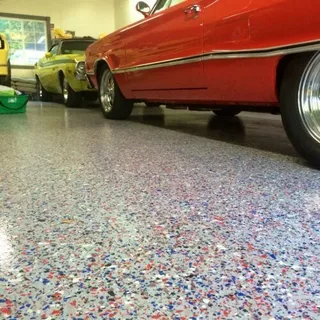
Garage Floor Coating Installation in Lakewood Ranch and Apollo Beach, FL
Garage floors deal with more than parked cars. Tires bring in dirt and moisture, vehicles can leave oil spots, and tools or storage equipment can scratch or wear bare concrete. Over time, the surface may become stained, dusty, and difficult to maintain. Earthstone Epoxy Coating can create a protective layer that makes the floor easier to clean and better suited to everyday use.
For homeowners in Lakewood Ranch and Apollo Beach, FL, climate conditions also deserve attention. Heat, humidity, rainfall, and moisture can affect concrete and certain coating systems. The condition of the existing slab matters just as much. A coating cannot solve every concrete problem, so inspection and preparation should come before application.
Whether you use your garage for parking, storage, hobbies, or projects, understanding the installation process can help you choose an appropriate flooring system.
What Is a Garage Floor Coating?
Garage floor coatings are protective materials applied to properly prepared concrete. Epoxy and polyaspartic systems are common choices, while concrete sealers and floor paints provide other options for specific applications.
A coating can help protect concrete from:
- Oil and grease
- Dirt and grime
- Regular foot traffic
- Vehicle traffic
- Minor surface wear
- Certain household and automotive chemicals
Performance varies by product and installation method. The coating should match the garage’s expected use rather than simply its appearance.
How Garage Floor Coating Installation Works
A quality garage floor coating installation in Lakewood ranch FL involves more than rolling material across the concrete. Preparation plays a major role in how well the finished surface bonds and performs.
Typical steps include:
- Inspecting the concrete: The installer checks for cracks, stains, moisture, weak areas, and existing coatings.
- Cleaning the surface: Dirt, oil, grease, and other contaminants need removal.
- Preparing the concrete: Mechanical grinding or another suitable method creates the profile needed for adhesion.
- Repairing defects: Appropriate repairs address suitable cracks, pits, and surface damage.
- Applying the base coat: The selected coating goes onto the prepared concrete.
- Adding decorative elements: Flakes or other finishes can provide color and texture.
- Applying a topcoat: Depending on the system, a topcoat can add protection against wear and chemicals.
- Allowing proper curing: The floor needs enough time to cure before normal traffic resumes.
Skipping preparation can cause peeling, poor adhesion, or other coating problems.
Benefits of Garage Floor Coatings
A properly selected coating can improve both the function and appearance of a garage.
Easier Cleaning
Sealed concrete generally makes routine cleaning simpler. Dust, dirt, and spills have fewer opportunities to settle into porous concrete.
Better Stain Resistance
Many coating systems can resist common garage contaminants such as oil and grease. The level of resistance depends on the specific product.
Improved Appearance
Garage coatings come in many colors and finishes. Decorative flakes can add visual variation and help disguise small amounts of dirt between cleanings.
Reduced Concrete Dust
Aging concrete can release dust as its surface wears. A coating can help seal the concrete and reduce loose surface dust.
Added Protection
The coating creates a barrier between the concrete and everyday garage activity. Its performance depends on the material, surface preparation, application, and use.
Comparing Garage Flooring Options
Homeowners have several options for improving a concrete garage floor.
| Flooring Option | Durability | Design Options | Maintenance | Common Use |
| Epoxy | High | High | Low | Garages and workshops |
| Polyaspartic | High | High | Low | Garages needing faster curing |
| Concrete sealer | Moderate to high | Limited | Low | Basic concrete protection |
| Floor paint | Low to moderate | Moderate | Moderate | Light-duty garage areas |
| Interlocking tiles | Moderate to high | High | Moderate | Flexible garage flooring |
No single material works best for every property. Traffic, moisture, sunlight, desired appearance, and budget should guide the choice.
Choosing the Best Garage Floor Coating
When comparing the best garage floor coating in Apollo beach FL options, look beyond color and initial price.
Consider how the garage functions. A floor used for vehicle parking may need different characteristics from one used as a workshop. A garage with strong sunlight exposure may also have different requirements from a shaded space.
Important factors include:
- Vehicle and foot traffic
- Moisture exposure
- Sunlight exposure
- Chemical and automotive-fluid contact
- Existing concrete condition
- Desired appearance
- Maintenance needs
- Curing requirements
Ask for product information and make sure the recommended system fits the conditions of the space.
Comparing Garage Floor Coating Installation Services
When evaluating garage floor coating installation services, homeowners should ask about the entire process.
Useful questions include:
- How will you prepare the concrete?
- Will you check for moisture?
- How will you handle existing cracks?
- What coating system do you recommend?
- Does the estimate include surface preparation?
- Does it include concrete repairs?
- Is a topcoat part of the system?
- How long will the floor need to cure?
- When can vehicles return to the garage?
A detailed written scope of work makes it easier to compare proposals. It should explain preparation, repairs, coating layers, decorative features, and curing expectations.
For Lakewood Ranch and Apollo Beach properties, homeowners should also ask how the selected system handles Florida’s heat, humidity, and moisture.
Common Mistakes to Avoid
Skipping Concrete Preparation
Oil, grease, dust, and weak concrete can prevent proper adhesion. Cleaning and mechanical preparation should follow the requirements of the selected coating system.
Ignoring Moisture
Moisture moving through the slab can create problems beneath some coatings. Any known moisture issue should receive attention before installation.
Covering Major Cracks
A coating cannot correct structural movement. Significant or recurring cracks may require further evaluation before flooring work begins.
Choosing Only by Price
A low quote may not include essential preparation, repairs, or protective layers. Compare the full scope rather than the number alone.
Choosing Only by Appearance
A decorative finish still needs to meet the garage’s performance requirements.
Using the Floor Too Soon
Allow enough curing time before walking, parking, or placing heavy equipment on the new surface.
Best Practices for Long-Term Maintenance
Regular maintenance can help protect a coated garage floor.
Sweep or dust-mop regularly to remove dirt and grit. Clean spills quickly, especially oil, grease, and automotive fluids.
Use cleaning products recommended for the coating system. Avoid abrasive tools and harsh chemicals unless the manufacturer approves them.
Place protective pads beneath heavy equipment when practical. Lift heavy objects rather than dragging them across the surface.
Inspect the floor periodically. Address chips, peeling, or other damage early before the affected area becomes larger.
Actionable Tips Before Installation
Before starting a garage coating project:
- Remove vehicles and stored belongings.
- Inspect the concrete for cracks and damaged areas.
- Check for signs of moisture or water intrusion.
- Decide how you want the finished floor to look.
- Consider how much vehicle and foot traffic the garage receives.
- Ask about concrete preparation.
- Request a detailed written estimate.
- Confirm the coating and topcoat specifications.
- Ask about curing and return-to-service times.
- Keep product information for future maintenance.
Good planning helps set realistic expectations and reduces avoidable installation problems.
Conclusion
Garage floor coating installation can protect concrete while creating a cleaner and more functional garage for homeowners in Lakewood Ranch and Apollo Beach, FL. The best choice depends on the condition of the concrete, expected traffic, moisture exposure, climate conditions, and desired finish.
Homeowners should compare materials and installation methods rather than choosing only by appearance or price. Proper surface preparation, suitable product selection, adequate curing, and routine maintenance can help a coated garage floor remain durable and attractive for years.
FAQ
1. How long does garage floor coating installation take?
The timeline depends on garage size, concrete condition, preparation needs, repairs, coating type, and curing requirements. A contractor should provide a project-specific schedule.
2. How long does a garage floor coating last?
Service life varies according to the coating system, preparation, traffic, environmental exposure, and maintenance. Proper installation and care can extend its useful life.
3. Can epoxy cover cracks in concrete?
Minor cracks may receive suitable repairs before coating. Significant or moving cracks require further evaluation because a coating cannot correct structural movement.
4. Are garage coatings suitable for Florida homes?
Many coating systems can work well in Florida garages. However, installers should consider heat, humidity, moisture, sunlight, and concrete condition when selecting a system.
5. How do I maintain a coated garage floor?
Sweep regularly, clean spills promptly, and use manufacturer-approved cleaning products. Avoid abrasive tools and dragging heavy objects across the surface.