
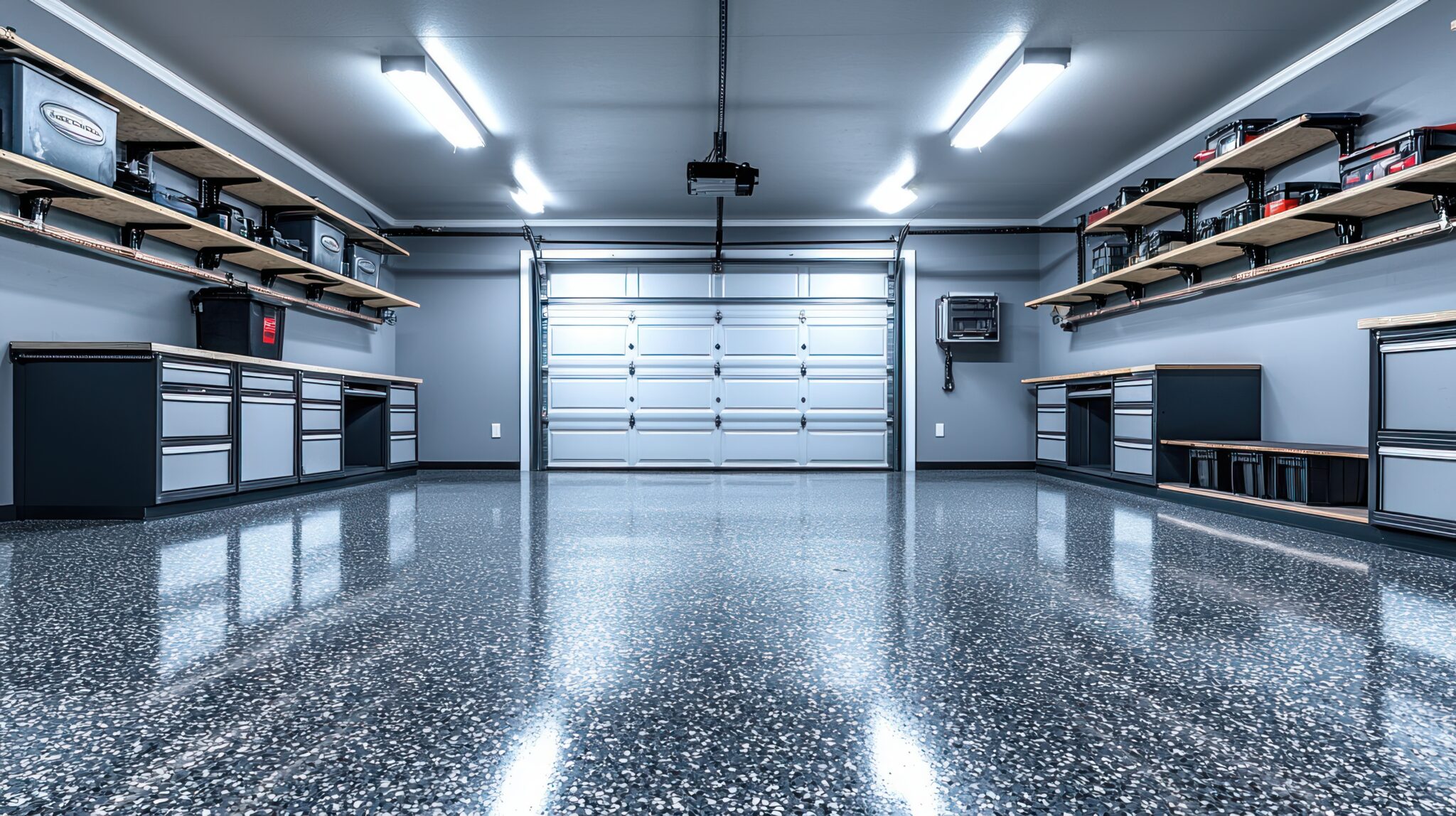
Reliable Residential Epoxy Coating Services in Clearwater, FL
Reliable residential epoxy coating services in Clearwater, FL protect concrete floors with durable finishes, proper preparation, easy care, and custom designs.
Bare concrete floors can collect dust, absorb stains, and show wear as everyday use adds up. Reliable residential epoxy coating services give Clearwater homeowners a practical way to protect concrete while creating a cleaner, more finished surface. However, coating performance depends on the slab condition, preparation method, moisture, product selection, and how the space will be used.
Earthstone Epoxy Coating LLC provides residential epoxy solutions for garages, patios, driveways, basements, living areas, and other concrete surfaces. The company serves Clearwater, St. Petersburg, Parrish, Bradenton, Sarasota, and several other Florida communities.
Homeowners should look beyond color when planning an epoxy project. Existing cracks, old coatings, surface contamination, foot traffic, cleaning habits, and moisture conditions can all influence the final system.
This guide explains the practical details that matter before coating residential concrete, from surface preparation and finish selection to curing and long-term maintenance.
Start With the Condition of the Concrete
A coating is only as dependable as the surface beneath it. Applying epoxy over weak, dirty, or poorly prepared concrete can lead to adhesion problems even when the coating material itself is high quality.
Inspect the Slab Before Choosing a Finish
Before work begins, homeowners should look for:
- Existing cracks
- Oil or grease stains
- Previous paint or coatings
- Moisture concerns
- Weak or deteriorated concrete
Professional concrete floor coatings often require more preparation than simple washing. Depending on the floor, preparation may include cleaning, grinding, removal of old material, and attention to cracks.
Moisture deserves particular consideration. A slab can appear dry at the surface while still having conditions that affect coating performance.
Therefore, contractors should evaluate the actual concrete rather than treating every residential floor the same way.
Proper preparation also creates the surface profile needed for a coating system to bond effectively. Earthstone’s service information emphasizes preparation and professional installation as important parts of its residential epoxy work.
Match the Epoxy System to the Room
Different residential spaces create different demands. A basement may mainly experience foot traffic, while a garage must handle vehicles, tools, fluids, and more frequent abrasion.
Think About Use Before Appearance
Before professional residential epoxy coating services, homeowners should consider how the floor functions every day. Earthstone lists residential epoxy solutions for garages, patios, driveways, basements, and other home surfaces.
Five useful questions include:
- How much traffic does the floor receive?
- Are spills common?
- Will vehicles or equipment use the area?
- Is additional traction desirable?
- How often will the floor need cleaning?
Residential epoxy flooring can offer a continuous finished surface that is easier to maintain than untreated porous concrete.
However, no single finish suits every room. A decorative indoor floor may prioritize appearance, while a utility or garage area may place greater emphasis on wear resistance and practical maintenance.
The coating system should reflect the actual environment instead of relying on one standard specification throughout the home.
Choose a Finish That Fits the Home
Residential epoxy does not have to look industrial. Decorative flakes, solid colors, textures, and other finish options allow homeowners to coordinate the floor with nearby walls, cabinetry, furniture, and outdoor features.
Balance Style With Everyday Practicality
Homeowners interested in seamless epoxy flooring in Clearwater, FL can choose from several residential applications. Earthstone’s Clearwater page specifically includes residential epoxy coatings for basements, living spaces, garages, patios, and other areas.
When comparing finishes, consider:
- Existing room colors
- Natural and artificial lighting
- Desired surface texture
- Cleaning expectations
- How visible dirt may be
Decorative epoxy finishes can introduce visual variation without changing the practical purpose of the floor.
For example, flake systems can create a textured appearance that helps disguise minor everyday dust better than some uniform glossy surfaces. Meanwhile, simpler finishes may suit homeowners who prefer a cleaner, understated look.
A good design decision should still support maintenance and traction needs. Appearance matters, but the floor must remain comfortable to use after the project is finished.
Understand Why Application Conditions Matter
Mixing and applying coating materials correctly is only one part of installation. Surface temperature, moisture, curing conditions, coverage, and timing can also influence the finished result.
Installation Should Follow the Coating System
During experienced residential epoxy coating services, installers should follow product requirements rather than relying on the same routine for every job.
Important considerations include:
- Concrete temperature
- Surface moisture
- Proper material mixing
- Consistent application
- Adequate curing time
Florida conditions make careful planning especially relevant. Heat and humidity can affect application conditions, so installers should follow the specific product’s requirements.
A low-maintenance epoxy floor still depends on correct installation before it can provide easier everyday care.
Homeowners should also avoid walking, placing furniture, or moving heavy objects onto the floor before the coating has reached the appropriate stage of cure.
Rushing this period can affect a finish that otherwise received proper preparation and application.
Know What Epoxy Can and Cannot Fix
Epoxy can improve the appearance and usability of concrete, but it should not be viewed as a way to hide every underlying slab problem.
Repair Needs Should Be Addressed First
Before coating, contractors should determine whether visible damage is cosmetic or indicates a larger concrete issue.
Five conditions deserve attention:
- Small cracks
- Spalled areas
- Uneven patches
- Moisture-related deterioration
- Failed previous coatings
Seamless epoxy flooring can create a continuous finished surface, but the coating will still follow the underlying slab. Active movement or unresolved moisture can continue to affect the floor.
For that reason, Earthstone Epoxy Coating LLC should evaluate the surface condition before deciding how preparation and coating will proceed.
Homeowners should ask what repairs are included and how existing coatings will be handled. Clear answers help distinguish thorough preparation from a project focused only on covering the visible surface.
Ultimately, a coating performs best when it is installed over concrete that is suitable for the selected system.
Maintain the Finished Floor With Simple Habits
Epoxy flooring is often chosen partly because routine cleaning can be straightforward. Still, regular care helps preserve both appearance and performance.
Prevent Dirt and Damage From Building Up
After trusted residential epoxy coating services, homeowners can follow a few practical habits:
- Sweep away loose grit regularly.
- Clean spills promptly.
- Use suitable floor cleaners.
- Avoid dragging sharp objects.
- Inspect unusual damage early.
Concrete floor coatings can reduce the dust and absorption associated with untreated concrete, but abrasive debris can still dull a surface over time.
Furniture and equipment should also be moved carefully. Protective pads can help where heavy items remain in place for long periods.
Earthstone’s residential coating information describes its epoxy systems as easy to clean and resistant to common stains and everyday wear.
The best maintenance approach remains simple: keep the surface clean, respond to spills, and follow any product-specific care instructions provided after installation.
Conclusion
Build the Coating Project Around the Concrete
A successful residential epoxy project starts with understanding the floor rather than selecting a decorative sample first. Concrete condition, moisture, preparation, room use, traffic, finish type, and curing requirements all influence long-term performance.
Clearwater homeowners should consider where the coating will be installed and what the floor needs to handle. A basement, garage, workshop, or living space can each require a slightly different approach.
Professional installation should also address old coatings, contaminants, cracks, and other conditions before new material reaches the surface. This preparation creates a stronger foundation for the finished system.
Homeowners considering custom decorative epoxy finishes in St. Petersburg, FL can follow the same process. Earthstone’s St. Petersburg page includes complete residential epoxy coating options for indoor and outdoor concrete areas.
Earthstone Epoxy Coating LLC provides residential coating solutions throughout its Florida service area using multiple decorative and protective options.
Ultimately, residential epoxy flooring should combine sound preparation with a coating selected for the actual space. Careful decisions before installation can create a floor that looks more finished, remains easier to maintain, and suits everyday household use.
FAQs
Can residential epoxy be installed over old concrete?
Often, yes. However, the slab should first be inspected for cracks, contamination, moisture, old coatings, and other conditions that may affect adhesion.
Is epoxy flooring only suitable for garages?
No. Residential epoxy can also be used on suitable concrete in basements, workshops, living areas, patios, and other spaces.
How should an epoxy floor be cleaned?
Sweep or vacuum loose debris and use cleaning products appropriate for the installed coating. Spills should be cleaned promptly.
Can cracks be coated directly with epoxy?
Cracks should be evaluated before coating. Some may require preparation or repair, while active movement may need additional attention.
How long should I wait before using a newly coated floor?
Curing time depends on the specific coating system and site conditions. Follow the installer’s and product manufacturer’s instructions before normal use resumes.