
Residential Epoxy Coating Services in Sarasota and Tampa, FL
Explore residential epoxy coating services in Sarasota and Tampa, FL, including benefits, installation, decorative options, maintenance, and basement tips.
Concrete floors can develop stains, dust, surface wear, and cracks as they age. In garages, workshops, utility rooms, and other areas, these problems can make the floor harder to clean and less attractive. Earthstone Epoxy Coating provides a practical option for homeowners who want to protect suitable concrete while creating a more finished surface.
Homeowners in Sarasota and Tampa, FL, also need to account for the local climate. Heat, humidity, rain, and moisture can affect concrete and influence coating performance. A successful project starts with an assessment of the existing slab, followed by appropriate preparation and selection of a coating system that fits the space.
Before choosing epoxy, homeowners should understand where it works well, what installation involves, how it compares with other flooring options, and how to maintain the finished surface.
What Is Residential Epoxy Coating?
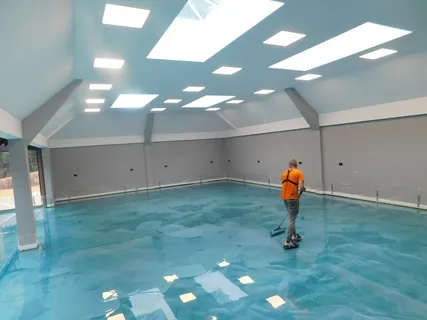
A residential epoxy coating combines resin and a hardener to create a bonded surface over properly prepared concrete. Once cured, the material forms a hard finish that can handle many forms of everyday residential use.
Epoxy can suit several areas, including:
- Garages
- Workshops
- Home gyms
- Utility rooms
- Laundry rooms
- Storage areas
- Hobby spaces
- Suitable basement floors
The coating system should match the conditions of the space. A garage that handles vehicle traffic has different requirements from a lightly used indoor room.
How Residential Epoxy Coating Services Work
A professional installation generally involves multiple stages:
- Concrete inspection: The installer checks for cracks, moisture, stains, damage, and previous coatings.
- Cleaning: Dirt, oil, grease, and other contaminants must be removed.
- Mechanical preparation: Grinding or another appropriate method prepares the concrete for proper adhesion.
- Concrete repairs: Suitable cracks and surface defects receive appropriate repairs.
- Base coat: The selected epoxy system goes onto the prepared surface.
- Decorative elements: Color flakes or specialty finishes can be added.
- Topcoat: Depending on the system, a protective layer may improve wear and chemical resistance.
- Curing: The floor needs adequate time to cure before normal use.
Preparation is especially important. Applying epoxy over contaminated, weak, or poorly prepared concrete can lead to adhesion problems.
Benefits of Residential Epoxy Flooring
Epoxy can provide several practical benefits when homeowners choose the right system and install it correctly.
Easier Cleaning
A sealed concrete surface generally makes sweeping and cleaning simpler. Dirt and spills have fewer opportunities to penetrate porous concrete.
Stain Resistance
Many epoxy systems resist common substances such as oil, grease, and certain chemicals. The actual resistance varies by product, so homeowners should review product specifications.
Durability
A suitable epoxy system can handle regular foot traffic and, in appropriate applications, vehicle traffic. Performance depends on preparation, product quality, installation, and use.
Improved Appearance
Epoxy offers a variety of colors and finishes. Homeowners can choose simple solid colors or more decorative designs depending on the room.
Reduced Concrete Dust
Aging concrete can create loose dust that settles on vehicles, tools, furniture, and stored items. A coating can help seal the surface and reduce this problem.
Decorative Epoxy Floor Options
A decorative epoxy floor in Sarasota FL can provide both protection and visual appeal. Color flakes are a common choice for garages because they create visual variation and can help hide small amounts of dirt between cleanings.
Other possibilities include:
- Solid-color finishes
- Multicolor flake blends
- Metallic effects
- Custom color combinations
- Different levels of sheen
The design should fit the room’s purpose. A busy garage may benefit from a durable flake system, while an indoor hobby room may call for a simpler finish.
Epoxy Floor Coating for Basements
Homeowners considering epoxy floor coating for basements should pay close attention to moisture. Below-grade concrete can experience moisture movement from the surrounding soil, and water intrusion can affect some coating systems.
Before installation, homeowners should ask whether moisture testing is necessary. If the basement has active water intrusion, foundation leaks, or significant dampness, those problems should receive attention before applying a coating.
Epoxy should not serve as a substitute for waterproofing or drainage repairs. The condition of the concrete and surrounding structure should determine whether a coating is appropriate.
Comparing Residential Flooring Options
Epoxy is one of several options for finishing concrete floors.
| Flooring Option | Durability | Design Options | Maintenance | Common Application |
| Epoxy | High | High | Low | Garages and residential concrete |
| Polyaspartic | High | High | Low | Garages and demanding spaces |
| Concrete sealer | Moderate to high | Limited | Low | Basic concrete protection |
| Floor paint | Low to moderate | Moderate | Moderate | Light-duty areas |
| Polished concrete | High | Moderate | Low | Interior concrete floors |
The right choice depends on the floor’s condition, expected traffic, moisture exposure, appearance goals, and budget.
Choosing Residential Epoxy Coating Services
When comparing residential epoxy coating services in Tampa FL, homeowners should examine how each contractor approaches preparation and installation.
Ask these questions before committing:
- How will you prepare the concrete?
- Will you evaluate moisture?
- How will you handle existing cracks?
- What coating system do you recommend?
- Does the estimate include surface preparation?
- Is a protective topcoat included?
- How long will the floor need to cure?
- Which cleaning products should I use afterward?
A written scope of work should explain preparation, repairs, coating layers, decorative features, and curing expectations.
For Sarasota and Tampa homes, homeowners should also ask how the proposed system suits Florida’s heat, humidity, and moisture conditions.
Common Mistakes to Avoid
Skipping surface preparation: Oil, grease, dirt, and weak concrete can interfere with adhesion.
Ignoring moisture: Moisture problems can cause failures beneath some coating systems.
Covering major cracks: Significant or moving cracks need evaluation before coating.
Choosing only by appearance: A coating needs to perform well under the room’s actual conditions.
Choosing solely by price: A low estimate may not include essential preparation or protective layers.
Using the floor too soon: The coating needs sufficient curing time before heavy or regular traffic.
Best Practices for Long-Term Maintenance
Sweep or dust-mop the coated floor regularly to remove dirt and grit. Clean spills quickly, especially oil, grease, and household chemicals.
Use cleaning products approved for the specific coating system. Avoid abrasive tools and harsh chemicals unless the manufacturer recommends them.
Place protective pads beneath heavy equipment where practical. Lift heavy items instead of dragging them across the surface.
Inspect the coating periodically. If you notice chips, peeling, or other damage, address the affected area early.
Actionable Tips Before Installation
Homeowners can prepare for a coating project by:
- Removing furniture, vehicles, and stored items from the work area.
- Identifying cracks, stains, and damaged concrete.
- Looking for signs of moisture or water intrusion.
- Deciding how the room will be used.
- Choosing between solid and decorative finishes.
- Asking about surface preparation.
- Requesting a detailed written scope of work.
- Confirming curing and return-to-service times.
- Keeping product information for future maintenance.
These steps can make the project easier to plan and help prevent avoidable issues.
Conclusion
A epoxy floor coating for basements can help homeowners in Sarasota and Tampa, FL, protect suitable concrete floors while improving their appearance and ease of maintenance. The right coating depends on the room’s use, concrete condition, moisture exposure, and desired finish.
Homeowners should compare installation methods rather than focusing only on appearance or price. Proper surface preparation, appropriate product selection, adequate curing, and routine maintenance can help an epoxy floor remain durable and attractive for years.
FAQ
1. How long does residential epoxy flooring last?
Service life depends on surface preparation, coating quality, traffic, environmental conditions, and maintenance. Proper installation and care can extend useful performance.
2. Can epoxy go over existing concrete cracks?
Minor cracks may receive suitable repairs before coating. Larger or moving cracks require further evaluation because epoxy cannot correct structural movement on its own.
3. Is epoxy suitable for garages in Sarasota and Tampa?
Many epoxy systems work well in residential garages, but installers should consider moisture, temperature, sunlight exposure, and the condition of the concrete.
4. Can epoxy be used on basement floors?
It can work in suitable basements, but moisture conditions should receive careful attention. Active water intrusion or excessive moisture needs to be addressed before coating.
5. How should homeowners maintain epoxy floors?
Regular sweeping, prompt spill cleanup, and manufacturer-approved cleaning products can help maintain the surface. Avoid abrasive tools and unapproved chemicals.