
Patio Epoxy Coatings Built for Apollo Beach, FL Homes
Explore Patio Epoxy Coatings in Apollo Beach, FL with guidance on concrete prep, moisture, finish options, slip resistance, cleaning, and patio floor care.
Outdoor patios have to handle a different set of conditions than interior floors. Sun exposure, rain, humidity, foot traffic, outdoor furniture, food spills, and tracked-in dirt can all affect how a concrete patio looks and performs over time. When the surface becomes stained, worn, difficult to clean, or visually dated, Patio Epoxy Coatings can provide a way to refresh the concrete while creating a more finished outdoor living area. Earthstone Epoxy Coating LLC provides epoxy coating services for residential concrete surfaces across its Florida service areas.
A patio coating project should begin with the existing slab rather than the color chart. Concrete condition, moisture, cracks, drainage, surface contamination, exposure, and everyday use can all influence the preparation and finish. Homeowners should also think about how the patio connects with doors, walkways, pools, landscaping, and other exterior features. Making these decisions before installation helps keep the project focused on both appearance and practical outdoor use.
Why Patio Concrete Needs Careful Preparation
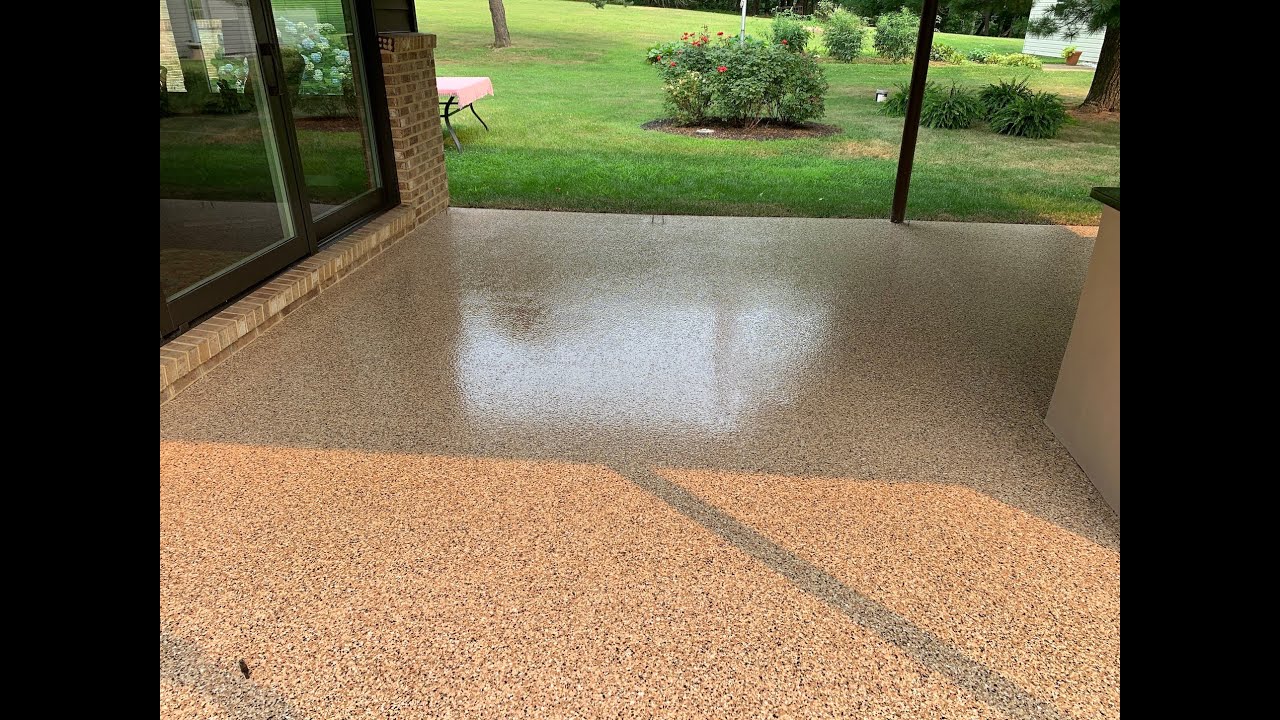
The company’s dedicated Patio Epoxy Coatings service is designed for outdoor concrete areas and includes decorative finish options for residential patios. The service page specifically discusses flake, quartz, metallic, and solid-color finishes, along with slip-resistant surface options.
Before any coating is applied, however, the concrete needs to be evaluated. Patios can collect dirt, algae, stains, old sealers, paint, or other material that may interfere with adhesion. Weather exposure can also leave sections of the slab more worn than others.
Preparation may involve cleaning, removing weak or incompatible surface material, addressing contaminants, and creating the appropriate concrete profile for the selected coating system. Homeowners should not view this step as separate from the finished floor. The appearance and durability of the coating depend heavily on what happens before the decorative material goes down.
Check Cracks and Surface Damage Before Coating
Cracks are common in concrete, but not every crack has the same cause or condition. Some may be narrow and stable, while others may show movement, widening, or changes around adjoining sections of the slab.
A coating should not be expected to solve a structural problem. Existing damage needs to be evaluated before the patio is covered so the preparation plan can account for the actual surface.
Chipped edges, pitted areas, scaling, and previous patching should also be reviewed. Covering damaged concrete without addressing weak areas underneath can leave an inconsistent base for the new finish.
For homeowners considering patio epoxy coatings in Apollo Beach, FL, inspecting the slab before choosing decorative details can help identify whether repairs or additional preparation should be included in the project scope.
Florida Moisture and Drainage Deserve Attention
Outdoor patios in Florida regularly deal with rain, humidity, and water carried from landscaping or nearby outdoor areas. A patio surface may look dry during an inspection while still having moisture concerns connected to drainage or the slab itself.
Homeowners should look for places where water repeatedly collects after rain. Low spots, poorly directed downspouts, nearby irrigation, and surrounding grades can all influence how much water reaches the patio.
A coating does not correct an underlying drainage problem. If water is consistently directed toward the slab or pools in one section, that condition should be understood before installation.
Choose a Finish That Fits the Outdoor Space
The best patio finish is not necessarily the boldest design. It should fit the house, surrounding exterior features, and the way the patio is used.
Decorative flake systems can create visual variation and help the floor coordinate with exterior paint, stone, outdoor furniture, or nearby hardscape. Quartz finishes offer another textured appearance, while solid colors can create a cleaner, simpler look. Metallic options may appeal to homeowners who want a more distinctive decorative effect.
Color should be considered under outdoor lighting because direct sunlight can make a sample look different than it does indoors. A finish that works well beside the home’s exterior during the day may be more suitable than one selected from a small indoor sample.
Slip Resistance Matters on Outdoor Patios
Outdoor surfaces can become wet from rain, pool activity, cleaning, sprinklers, or normal humidity. That makes traction an important part of finish planning.
Earthstone Epoxy Coating LLC identifies slip-resistant patio coating options on its service page. Homeowners should discuss how the surface will be used and whether certain areas are more likely to become wet. A patio next to a pool may have different needs from a covered seating area that stays relatively dry.
Texture needs to balance traction with everyday cleaning. Very rough surfaces can hold dirt more easily, while extremely smooth finishes may not be appropriate for areas that regularly get wet.
The practical goal is to select a finish that matches expected conditions instead of choosing gloss or texture based only on appearance.
Coordinate the Patio With Nearby Exterior Features
Patios often connect directly with exterior doors, walkways, screened areas, pool decks, or landscaped spaces. Those transitions should be reviewed before coating begins.
Changes in elevation can affect how water moves and how comfortable it is to walk from one surface to another. Edges beside planting beds may collect soil or organic debris. Door thresholds should remain functional after the coating system is installed.
If other exterior work is planned, project sequence matters. Painting, construction, drainage improvements, landscaping, or heavy equipment movement may be better completed before the final patio coating so the new surface is not exposed to unnecessary damage.
Property owners planning outdoor patio coating in Ruskin, FL can benefit from considering the patio as part of the full exterior area rather than treating the concrete as an isolated surface.
Cleaning and Maintenance Should Stay Simple
A coated patio still needs routine care, especially outdoors where leaves, pollen, soil, food residue, and rainwater can collect.
Loose debris can be swept or removed before it builds up. Spills should be cleaned promptly, and homeowners should follow the care guidance appropriate for the installed coating rather than using harsh products automatically.
Planters can leave moisture and dirt beneath them if they remain in one location for long periods. Outdoor rugs may do the same depending on the material and drainage beneath them. Periodically checking covered areas can help homeowners notice trapped debris or moisture.
Conclusion
Patio Epoxy Coatings can give outdoor concrete a more finished appearance while creating a surface designed around residential use. The strongest planning starts with the slab itself: concrete condition, cracks, moisture, drainage, preparation, texture, finish selection, and surrounding exterior features should all be reviewed before application.
In Apollo Beach, homeowners should pay particular attention to outdoor moisture, sunlight, and how the patio connects with the rest of the property. In Ruskin, the same planning approach can help create a coating project that works with furniture, foot traffic, drainage, and everyday outdoor routines.
Earthstone Epoxy Coating LLC offers patio coating options alongside its other residential epoxy services. Choosing a finish that fits the space and giving proper attention to preparation and maintenance can help homeowners make a more informed decision about upgrading an outdoor concrete patio.
Frequently Asked Questions
What finish options are available for Patio Epoxy Coatings?
The company’s patio service page identifies decorative flake, quartz, metallic, and solid-color options. The right choice depends on the desired appearance, patio conditions, cleaning preferences, and how the outdoor area will be used.
Can Patio Epoxy Coatings be applied over cracked concrete?
Cracks should be evaluated before coating. Some surface damage may be repairable during preparation, but an epoxy coating should not be treated as a solution for ongoing structural movement or another unresolved concrete problem.
Are slip-resistant finishes available for patios?
Yes. The service page describes slip-resistant epoxy patio options. Traction is especially worth discussing for surfaces exposed to rain, pool water, irrigation, or frequent outdoor cleaning.
Why is surface preparation important before patio coating?
Coatings need a suitable concrete surface for proper adhesion. Dirt, old coatings, contaminants, loose material, and damaged areas can interfere with the new system if they are not addressed beforehand.
How should an epoxy-coated patio be maintained?
Remove loose debris regularly, clean spills promptly, use cleaning products appropriate for the coating, and avoid dragging heavy furniture across the surface. Outdoor rugs and planters should also be moved occasionally so covered areas can be checked.
How soon can furniture be returned after installation?
Return-to-service time depends on the coating products, weather, application conditions, and project details. Homeowners should follow the installer and product guidance before replacing furniture, allowing heavy traffic, or resuming normal patio use.