
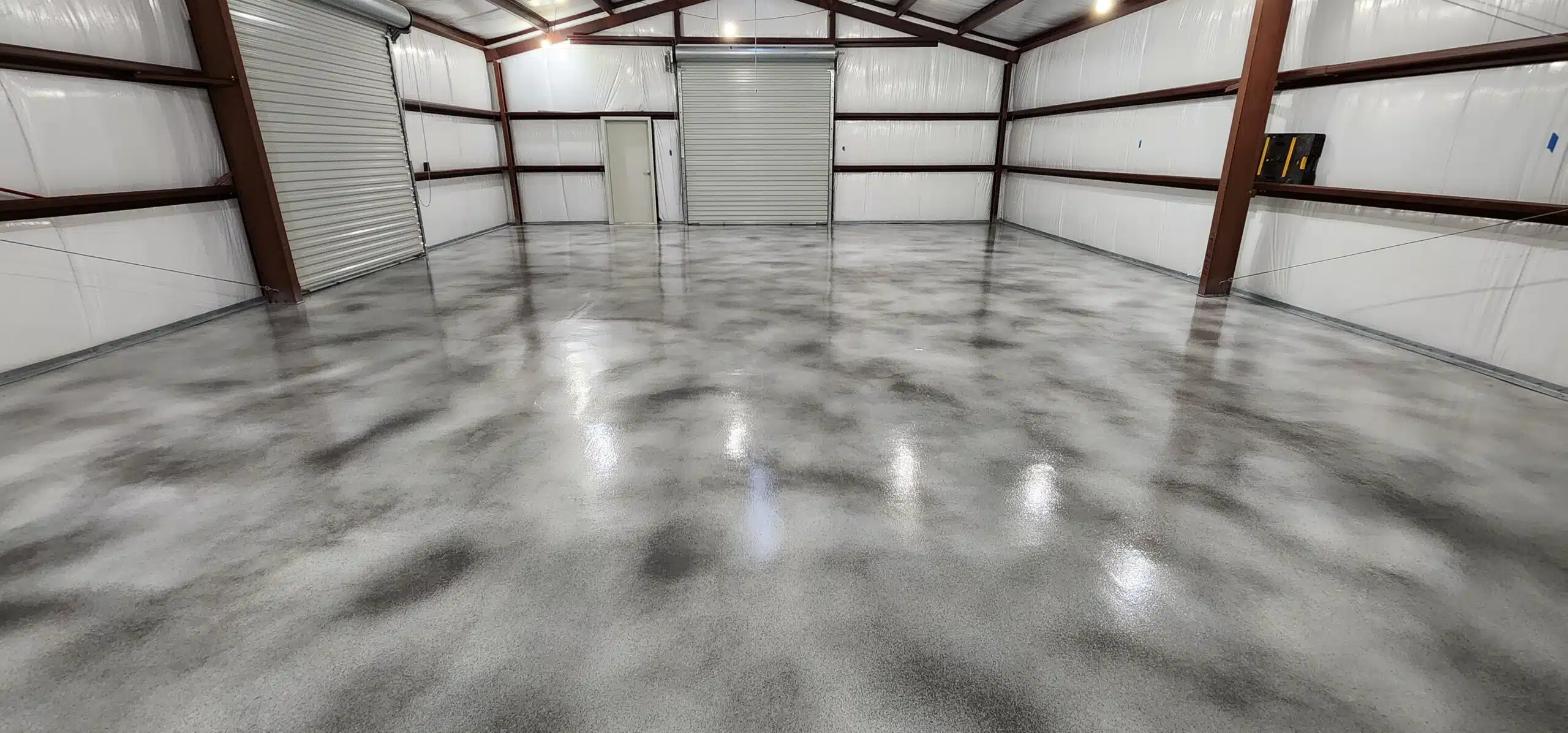
Epoxy Garage Flooring for Worn Concrete in Clearwater
Plan Epoxy Garage Flooring in Clearwater, FL for worn concrete, stains, moisture, surface prep, decorative finishes, traction, curing, and easy floor care.
Garage concrete takes more punishment than many other surfaces around a home. Vehicle traffic, road grit, oil drips, storage equipment, moisture, tools, and routine foot traffic can leave bare concrete stained, dusty, or difficult to maintain. Epoxy Garage Flooring can give an aging garage a more finished surface while making regular cleanup more manageable. Earthstone Epoxy Coating LLC provides epoxy coating services for residential concrete surfaces throughout its Florida service areas.
The appearance of the finished floor matters, but a successful project begins with the condition of the concrete beneath it. Existing coatings, oil contamination, cracks, moisture, surface wear, and previous repairs can all affect preparation. Homeowners should also consider how the garage is actually used. A space used only for parking has different priorities from a garage that doubles as a workshop, storage room, hobby area, or home gym. Starting with those real conditions helps guide decisions about preparation, finish, traction, and maintenance.
Start With the Condition of the Existing Concrete
The dedicated Epoxy Garage Flooring service is intended to upgrade residential garage concrete with a finished coating system. Before choosing colors or decorative effects, the slab should be inspected carefully.
Look for oil staining, old paint, failing coatings, pitted areas, chips, cracks, and sections that appear darker or damp. These conditions may require different preparation before a new coating can be applied.
Concrete that looks reasonably clean may still contain contaminants in its pores. Garage floors frequently encounter automotive fluids and other materials that ordinary surface washing may not completely remove.
The preparation plan should therefore be based on the actual slab rather than treating every garage floor the same way.
Why Surface Preparation Matters So Much
Epoxy needs a properly prepared base. Applying a coating over loose material, contamination, or an incompatible previous finish can affect how well the new system bonds.
Preparation may involve removing older coatings, cleaning contaminated areas, repairing suitable surface defects, and mechanically preparing the concrete. The exact process depends on what is already on the floor.
This stage is easy to underestimate because most of it disappears once the decorative finish is installed. Yet the visible coating relies on the surface beneath it.
Homeowners considering garage floor epoxy in Clearwater, FL should give preparation as much attention as color selection. A visually impressive finish cannot compensate for concrete that was not properly evaluated before installation.
Oil Stains Need More Than a Quick Wipe
Garage floors frequently collect oil, grease, tire residue, and other automotive contaminants.
Fresh spills should be cleaned promptly, but older stains can penetrate more deeply into porous concrete. Applying a new coating directly over contaminated sections can create bonding concerns.
Homeowners should identify areas where vehicles normally park, where mechanical work has been performed, or where chemicals have been stored. Those locations may need additional attention during preparation.
A clean-looking surface is not always the same as a coating-ready surface. The goal is to create concrete conditions appropriate for the new flooring system instead of simply improving how the slab looks before application.
Moisture Should Be Considered Before Coating
Concrete can interact with moisture even when the top surface appears dry.
Florida garages may experience rainwater carried in by vehicles, humidity, exterior drainage issues, or moisture moving through the slab. Persistent damp areas, unusual discoloration, or previous coating problems deserve investigation.
A coating should not be used to hide an active moisture problem. If water repeatedly enters the garage from poor exterior drainage, a plumbing leak, or another source, that condition should be addressed separately.
Understanding moisture conditions before installation reduces the risk of treating a building problem as though it were only a flooring problem.
Cracks Need the Right Expectations
Concrete cracks are common, but not every crack behaves the same way.
Small stable cracks may be handled differently from wider openings or areas that show ongoing movement. Surface repair can improve the preparation of some defects, but epoxy should not be presented as a structural solution for a moving slab.
Homeowners should point out existing cracks before work begins and mention whether they have changed over time.
Pitted areas and chipped sections also deserve review. A coating system depends on the concrete supporting it, so weak or deteriorated material should not simply be covered without evaluation.
Choose a Finish Around How the Garage Is Used
A garage used for vehicle parking may prioritize easy cleaning and a practical appearance. A workshop may need a finish that works well around tools, benches, and frequent activity. A home gym or hobby area can have different visual and traction priorities.
Decorative flakes can create variation across the floor and make ordinary dust less visually obvious between cleanings. Other finishes may create a smoother, simpler appearance.
Earthstone Epoxy Coating LLC shows decorative garage flooring options as part of its service work, but homeowners should choose a design based on the room rather than on a small sample alone.
Consider wall colors, storage cabinets, lighting, vehicles, and the amount of natural light entering through the garage door. A floor becomes part of the entire space once everything is moved back in.
Traction Matters When Garage Floors Get Wet
Garages are not always dry.
Rainwater, wet tires, cleaning water, and outdoor moisture can reach the floor regularly. This makes surface texture worth discussing during finish selection.
A highly smooth appearance may behave differently when wet from a more textured finish. At the same time, extremely rough surfaces can require more effort to clean.
The right balance depends on expected garage use. Homeowners should explain whether the area frequently gets wet, whether people enter directly from outdoors, and whether the garage is used for tasks beyond parking.
Traction is most useful when it is considered during product selection instead of after the floor has already been completed.
Clear the Garage Before Preparation Begins
Garage flooring work requires access to the concrete.
Storage bins, shelving units, tools, lawn equipment, bicycles, workbenches, and other movable items should be removed from the planned coating area. Vehicles will also need temporary parking elsewhere.
Fixed cabinetry or permanent equipment should be discussed beforehand so the coating boundary is clear.
Clearing the area also makes it easier to inspect the entire slab. Problems hidden beneath stored belongings may not become visible until the garage is emptied.
Planning temporary storage before the project begins can make the installation process much easier for the household.
Coordinate Flooring With Other Garage Improvements
Many homeowners update more than the floor.
New storage cabinets, wall paint, lighting, electrical outlets, workbenches, or organization systems may be part of the same garage improvement project. The order of work should be considered carefully.
Dusty construction and major wall repairs may be better completed before the final coating is installed. Heavy cabinets or equipment should not be placed on a new surface before the coating has reached the appropriate stage for use.
For property owners considering garage coating upgrades in St. Petersburg, FL, coordinating flooring with other planned garage improvements can reduce the risk of damaging newly finished work.
The floor should fit into the overall project sequence rather than being treated as an isolated upgrade.
Allow the Coating System to Cure Properly
A newly coated garage floor may look finished before it is ready for normal traffic.
Foot traffic, storage equipment, and vehicles can have different return-to-use times depending on the specific system and installation conditions. Temperature and humidity may also influence the process.
Homeowners should follow the guidance provided for their particular coating rather than assuming the floor is ready because the surface feels dry.
Planning alternate parking and storage in advance makes it easier to leave the garage undisturbed during the recommended period.
Rushing heavy use can create an avoidable risk after the preparation and installation work has already been completed.
Keep the Finished Floor Easier to Maintain
Regular maintenance does not need to be complicated.
Loose sand, road grit, and debris should be removed before they are repeatedly dragged across the surface by tires or equipment. Automotive spills are easier to manage when addressed promptly rather than left for long periods.
Cleaning products should be appropriate for the installed coating. Aggressive abrasives and unnecessarily harsh chemicals may not be suitable for every floor system.
Homeowners should also look beneath mats, storage equipment, and other items occasionally. These areas can hide moisture or debris that is not visible during normal cleaning.
Consistent light maintenance is usually more practical than waiting until the garage requires an intensive cleanup.
Protect the Surface During Workshop Use
Garages often serve as workspaces as well as parking areas.
Dragging metal cabinets, sharp equipment, or heavy machinery can damage even a durable finished floor. Wheeled carts, appropriate pads, and careful lifting can reduce unnecessary scratching or impact.
If mechanical projects are common, consider where tools, fluids, and equipment are normally placed. Protecting high-demand work zones can help preserve the surrounding surface.
A floor coating improves the concrete surface, but it does not make the garage immune to every form of physical abuse.
Realistic use and reasonable care should remain part of the maintenance plan.
Conclusion
Epoxy Garage Flooring can give worn garage concrete a cleaner, more finished appearance while making regular maintenance easier. Good results depend on more than the visible color or decorative pattern. Surface preparation, contamination, moisture, cracks, traction, curing, and everyday garage use all need to be considered.
In Clearwater, homeowners dealing with stained or worn concrete should begin by evaluating the slab before selecting a finish. In St. Petersburg, the same approach can help property owners account for moisture, vehicle use, storage, and other real garage conditions before installation.
Earthstone Epoxy Coating LLC provides garage flooring as part of its residential epoxy services. Starting with proper preparation and choosing a finish around the way the garage is actually used can create a more practical upgrade and make long-term floor care easier.
Frequently Asked Questions
What should be checked before Epoxy Garage Flooring is installed?
The slab should be reviewed for existing coatings, oil contamination, cracks, moisture, surface deterioration, previous repairs, and other conditions that could affect preparation.
Can epoxy be installed over an old garage floor coating?
It depends on the condition and compatibility of the existing material. Loose, failing, or unsuitable coatings may need to be removed before the new floor system is installed.
Will epoxy permanently fix concrete cracks?
No. Some stable cracks may be prepared or repaired before coating, but epoxy should not be considered a structural repair for concrete that continues to move.
How should an epoxy garage floor be cleaned?
Remove loose grit regularly, clean spills promptly, and use products appropriate for the installed coating. Avoid unnecessarily abrasive tools that may affect the finished surface.
Can I park on the floor immediately after installation?
No. The coating needs adequate curing time before vehicle traffic. The exact period depends on the installed system and project conditions, so follow the guidance provided for the specific floor.
Is Epoxy Garage Flooring suitable for a garage used as a workshop?
It can be. The expected traffic, tools, equipment, fluids, traction needs, and maintenance routine should be discussed before the coating and finish are selected.