
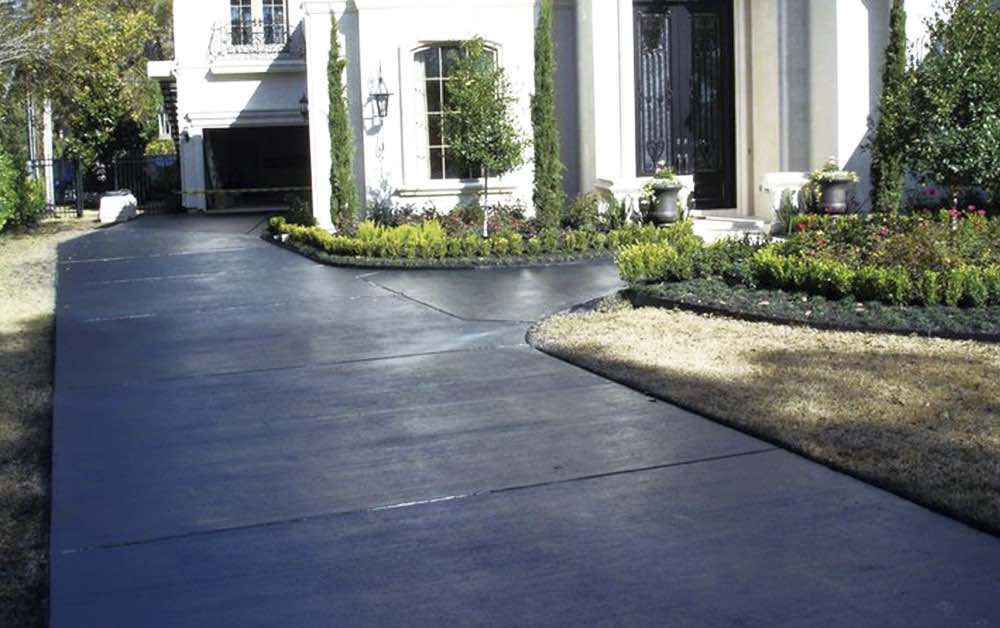
Protect Worn Driveways With Epoxy Coatings in Palmetto
Plan Driveway Epoxy Coatings in Palmetto, FL for worn concrete, stains, traction, surface prep, weather exposure, curing, and easier maintenance over time.
Driveways deal with more daily wear than many other concrete surfaces around a home. Vehicle traffic, tire marks, oil drips, rain, sunlight, dirt, and repeated cleaning can leave bare concrete looking stained or uneven. Small surface imperfections may also become more noticeable as the slab ages. Earthstone Epoxy Coating LLC provides residential epoxy solutions for driveways, garages, patios, and other concrete surfaces throughout its Florida service areas.
A driveway coating project should begin with the concrete itself rather than with a color or decorative finish. Existing stains, cracks, moisture, previous coatings, drainage, surface wear, and vehicle use can all influence preparation. Homeowners should also consider whether the driveway becomes slippery when wet, receives full sun for much of the day, or has areas where water regularly collects. Reviewing these conditions before installation can help create a coating plan that fits the property instead of treating every driveway the same way.
Start With the Condition of the Existing Concrete
The dedicated Driveway Epoxy Coatings service is designed to improve the appearance and protection of residential concrete driveways using prepared coating systems and decorative finish options.
Before installation begins, the driveway should be checked for oil contamination, old paint, sealers, cracks, worn sections, discoloration, and areas that remain damp longer than the rest of the slab.
Concrete may appear relatively clean while still holding contaminants within the surface. Those conditions can affect how well a new coating bonds.
A professional preparation plan should reflect what is actually present rather than assuming the slab is ready because it has recently been pressure washed.
Surface Preparation Should Come Before Design Choices
Color, flakes, and texture are important visual decisions, but surface preparation plays a larger role in creating a suitable base for the coating.
Old coatings or sealers may need to be removed. Oil-stained sections can require additional cleaning. Weak or deteriorated surface material should not simply be covered.
Mechanical preparation may also be used to create a surface profile suitable for the selected coating system.
Homeowners considering driveway epoxy coatings in Palmetto, FL should give this stage as much attention as the finished appearance. Once the coating is installed, the preparation underneath is no longer visible, but it still supports the finished system.
Address Oil and Vehicle Stains Before Coating
Driveways regularly encounter substances that can soak into concrete.
Oil, automotive fluids, tire residue, fertilizer, rust stains, and other contaminants may remain even after ordinary washing. Applying a coating over contaminated areas without proper preparation can create problems with adhesion or appearance.
Homeowners should point out where vehicles are normally parked and where spills have occurred in the past.
Older stains may require more attention than recently deposited material.
Cleaning before coating is not simply about making the driveway look better. The goal is to create concrete conditions that are suitable for the new surface system.
Look at Cracks With Realistic Expectations
Concrete cracks for several reasons, and not every crack behaves the same way.
Small stable cracks may be handled during preparation, while larger cracks or sections that show continuing movement may require further evaluation.
A driveway coating should not be viewed as a structural solution for an unstable slab.
Homeowners should mention whether cracks have grown, changed direction, or appeared alongside settlement. Those details may help determine whether the concern is mainly cosmetic or connected to a larger concrete condition.
Pitted or chipped sections should also be reviewed before coating so weak areas are not simply hidden under a new finish.
Check Drainage Before Improving the Surface
Driveway coatings cannot correct poor grading.
If rainwater regularly pools in a low section or runs toward the garage, that drainage pattern should be identified before the surface is coated.
Water that consistently sits on one part of the driveway may also reveal differences in elevation that deserve attention.
Observe the area after rainfall and note where water travels.
The surrounding gutters, downspouts, landscaping, and street drainage may influence how much water reaches the driveway.
A coating can improve the concrete surface, but it should not be expected to solve a property drainage problem that originates elsewhere.
Choose Texture With Wet Weather in Mind
Outdoor concrete becomes wet from rain, irrigation, washing, and vehicles.
This makes traction an important part of finish selection. A smooth surface can look attractive, but homeowners should also consider how the driveway will feel underfoot when moisture is present.
Decorative or textured finishes may provide a different surface feel while still creating a coordinated appearance.
The right amount of texture depends on how the driveway is used and maintained.
An overly rough finish may collect more dirt, while an extremely smooth surface may not suit every outdoor application. Discussing these priorities before installation is easier than trying to change the texture afterward.
Consider How Florida Weather Affects the Project
Outdoor coatings in Florida face regular sun, humidity, rainfall, and vehicle traffic.
The installation plan should account for the outdoor environment rather than treating a driveway like an interior floor. Surface temperature, moisture, and weather conditions can affect when preparation and application should occur.
Homeowners should also avoid assuming that a newly coated driveway is immediately ready simply because the surface looks dry.
The coating system needs to complete its required curing process before it is subjected to normal use.
Following project-specific guidance helps protect the work during this early stage.
Plan Around Vehicle Access Before Work Begins
A driveway coating project temporarily changes how homeowners enter and park at the property.
Vehicles need to be moved before preparation begins, and the area should remain clear throughout application and curing.
Families should decide in advance where they will park and whether other household activities depend on driveway access.
Trash collection, deliveries, lawn service, and other routine activities may also need temporary adjustments.
Planning these details beforehand can reduce the temptation to place vehicles or heavy equipment on the surface before the coating is ready.
Coordinate Garage and Driveway Improvements
Homeowners sometimes update the garage floor and driveway around the same period.
When multiple concrete surfaces are being improved, finish colors and transitions should be considered together. The driveway does not have to match the garage exactly, but the two surfaces can still feel visually connected.
Construction sequencing also matters.
Dusty repairs, exterior painting, landscaping changes, or other work involving heavy equipment may be better completed before the final driveway coating is installed.
A freshly finished surface should not immediately become a staging area for another renovation project.
Choose a Finish That Fits the Home Exterior
The driveway occupies a large visible area in front of many homes.
Its color and texture should work with nearby siding, stucco, stone, roofing, garage doors, and landscaping rather than being selected from a small sample without context.
Decorative flakes, custom colors, and textured finishes can create different visual effects.
Homeowners should also consider how the surface will look in bright sunlight compared with shaded conditions.
A finish that appears subtle in a sample may look different when applied across the full width and length of a driveway.
Keep Expansion and Control Joints Visible in the Plan
Concrete driveways often contain joints that help organize slab movement.
These areas should be considered during preparation rather than treated as random lines that can automatically disappear beneath the coating.
The exact treatment depends on the concrete and coating system.
Property owners should ask how existing joints, transitions, and edges will be handled before application begins.
Clear expectations can prevent confusion when the finished driveway still shows intentional structural features that were part of the original concrete design.
Protect the Coating From Early Damage
A newly completed driveway needs time before normal vehicle traffic resumes.
Foot traffic, lightweight items, and vehicles may have different return-to-use requirements depending on the coating and installation conditions.
Homeowners should follow the guidance provided for their specific project instead of guessing based on appearance.
Heavy vehicles, trailers, storage containers, or equipment should not be placed back onto the surface prematurely.
Giving the coating adequate time during the early stage can help avoid preventable marks or damage after the preparation and application work has already been completed.
Use Routine Cleaning Instead of Aggressive Scrubbing
Coated driveways still collect sand, leaves, tire residue, soil, and other outdoor debris.
Regular sweeping or rinsing can help prevent buildup. Automotive spills should be addressed rather than allowed to sit for long periods.
Cleaning products should be appropriate for the installed surface.
Very harsh chemicals or unnecessarily abrasive methods may not be suitable for every coating system.
A simple maintenance routine is usually easier than allowing dirt and stains to accumulate until the driveway requires more intensive cleaning.
Watch High-Traffic Areas Over Time
Vehicle paths do not wear evenly across an entire driveway.
Tire tracks, turning areas, garage entrances, and sections used by heavier vehicles receive more frequent contact than outer edges.
These high-use areas are worth monitoring during routine maintenance.
If a chip, scratch, or damaged section appears, addressing it early can make it easier to evaluate whether the issue is localized.
Dragging heavy metal objects across the driveway should also be avoided whenever practical.
A protective coating improves the surface, but reasonable care still helps preserve its appearance.
Plan Sun City Center Driveways Around Daily Use
Every driveway supports a slightly different routine.
Some homes have one regularly parked vehicle, while others handle several vehicles, golf carts, guests, service providers, or frequent deliveries.
For homeowners considering residential driveway coatings in Sun City Center, FL, the finish and maintenance plan should reflect the actual level of use.
A driveway that receives frequent turning or parking may have different priorities from one used mainly as a simple access path.
Understanding daily traffic before selecting the system makes the finished surface easier to manage over time.
Conclusion
Driveway Epoxy Coatings can refresh worn concrete and create a cleaner, more finished entrance to a property, but strong results depend on more than selecting an attractive color. Surface preparation, stains, cracks, moisture, drainage, texture, weather conditions, curing, and vehicle traffic all need consideration before installation.
In Palmetto, homeowners dealing with stained or aging concrete should begin by evaluating the slab and drainage conditions before choosing a finish. In Sun City Center, the same approach can help homeowners select a surface around vehicle use, traction, outdoor exposure, and realistic maintenance needs.
Earthstone Epoxy Coating LLC provides driveway coatings alongside garage, patio, and residential epoxy services. Starting with the existing concrete and planning around everyday driveway use can help create a more practical outdoor surface that remains easier to maintain.
Frequently Asked Questions
What should be checked before Driveway Epoxy Coatings are installed?
The concrete should be reviewed for old coatings, stains, oil contamination, cracks, moisture, surface wear, drainage problems, and other conditions that may affect preparation.
Can epoxy coating hide driveway cracks?
Some stable surface cracks can be addressed during preparation, but a coating should not be considered a structural repair for concrete that is moving or settling.
Why is surface preparation important for driveway coatings?
Preparation removes or addresses contaminants and weak surface material while creating suitable conditions for the coating to bond with the concrete.
Can I park on a driveway immediately after it is coated?
No. The coating needs appropriate curing time before vehicle traffic resumes. Follow the installer and product guidance for the specific system used.
How should a coated driveway be cleaned?
Remove loose dirt and debris regularly, address spills promptly, and use cleaning methods appropriate for the installed coating instead of unnecessarily harsh or abrasive products.
Should drainage problems be repaired before coating a driveway?
Yes. A coating does not correct poor grading or standing-water problems. Recurring drainage concerns should be evaluated before the new surface is installed.