
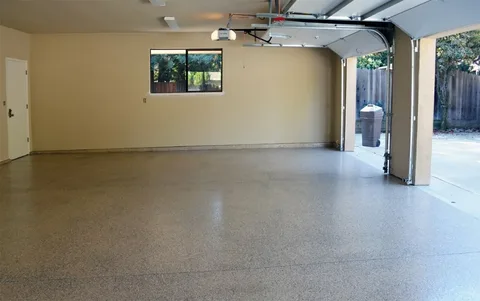
Best Garage Floor Coatings in Riverview and St. Petersburg, FL
Learn how garage floor coatings protect concrete, improve durability, and simplify maintenance for homeowners in Riverview and St. Petersburg, FL.
A garage floor deals with more than parked vehicles. Oil and water can leave stains, tires track in dirt, and tools or storage equipment can scratch the concrete. Over time, untreated concrete may develop surface wear, dust, discoloration, and cracks. Earthstone Epoxy Coating offers a practical way to protect the surface while giving the garage a cleaner, more finished appearance.
Homeowners in Riverview and St. Petersburg also need to consider Florida’s climate. Heat, humidity, rain, and moisture can affect concrete and influence how a coating performs. Choosing the right product is only part of the project. Proper surface preparation, moisture control, application, and curing all contribute to the finished floor.
Understanding these factors can help homeowners compare flooring options and make a more informed decision before coating their garage.
What Are Garage Floor Coatings?
Garage floor coatings are protective materials applied over prepared concrete. Depending on the system, they can create a hard, sealed surface that resists everyday wear, stains, and certain chemicals.
Common coating systems include epoxy, polyaspartic, and other specialized concrete coatings. Each material has different properties, so homeowners should select a system based on the garage’s conditions and intended use.
What Happens During Garage Floor Coating Installation?
A quality garage floor coating installation in Riverview FL involves several steps rather than simply painting the concrete.
- Inspection: The installer checks the concrete for cracks, moisture, stains, previous coatings, and other problems.
- Cleaning: Dirt, grease, oil, and contaminants need to be removed.
- Mechanical preparation: Grinding or another suitable method creates a surface profile that allows the coating to bond.
- Concrete repairs: Appropriate repairs address suitable cracks and surface defects.
- Base coat: The selected coating system is applied according to product requirements.
- Decorative finish: Color flakes or other design elements can be added.
- Topcoat: A protective top layer may improve resistance to wear and chemicals.
- Curing: The coating needs adequate time to cure before normal use.
Skipping preparation can undermine the performance of even a high-quality coating.
Benefits of Coating a Garage Floor
A properly selected and installed coating can provide several practical benefits.
Easier Cleaning
Sealed floors generally make it easier to sweep and remove spills. Dirt and debris are less likely to settle into the pores of unfinished concrete.
Better Stain Resistance
Garage coatings can help protect the concrete from common substances such as automotive fluids, grease, and household chemicals. However, resistance varies by coating system, so homeowners should check the product specifications.
Improved Appearance
Homeowners can choose from solid colors, decorative flakes, and other finishes. This allows a garage to look more organized without replacing the concrete slab.
Reduced Concrete Dust
Aging concrete can produce dust that transfers to vehicles, storage items, and adjacent areas. A suitable coating can help seal the surface and reduce this issue.
Added Protection
A coating can provide an additional layer between the concrete and everyday garage activity, including foot traffic, vehicle tires, tools, and storage equipment.
Garage Floor Coatings vs. Other Flooring Options
Garage flooring comes in several forms. Comparing them can help homeowners choose a practical solution.
| Flooring Option | Durability | Appearance Choices | Maintenance | Best For |
| Epoxy coating | High | High | Low | Residential garages and workshops |
| Polyaspartic coating | High | High | Low | Fast-curing garage applications |
| Concrete sealer | Moderate to high | Limited | Low | Basic concrete protection |
| Garage floor paint | Low to moderate | Moderate | Moderate | Light-duty spaces |
| Interlocking tiles | Moderate to high | High | Moderate | Flexible or DIY installations |
There is no single best flooring option for every garage. Traffic, moisture, budget, appearance, and maintenance expectations should all factor into the decision.
Choosing Garage Floor Coating Professionals
When evaluating garage floor coating professionals in St Petersburg FL, homeowners should focus on the installation process instead of choosing based only on a low estimate.
Ask potential contractors:
- How will you prepare the concrete?
- Will you check for moisture?
- How will you handle existing cracks?
- What coating system do you recommend and why?
- Does the estimate include all preparation?
- Is a protective topcoat included?
- How long should the floor cure?
- What maintenance products should I use?
A detailed written estimate makes it easier to compare different proposals. It should explain preparation, repairs, coating layers, decorative elements, curing expectations, and other project details.
For homes in Riverview and St. Petersburg, contractors should also understand how Florida’s warm and humid conditions can affect concrete preparation and coating installation.
Garage Floor Sealers and Coatings: What’s the Difference?
Garage floor sealers and coatings both protect concrete, but they do not perform in exactly the same way.
A sealer typically penetrates or sits on the concrete surface and provides protection against moisture, staining, and surface wear. A coating generally creates a more substantial film over the concrete and offers greater opportunities for color and decorative finishes.
The appropriate choice depends on the condition of the slab, desired appearance, expected traffic, and type of protection needed.
Common Mistakes to Avoid
Coating dirty concrete: Oil, grease, and dust can interfere with adhesion.
Skipping moisture checks: Moisture moving through concrete can create problems beneath certain coating systems.
Ignoring cracks: A coating does not automatically correct structural movement or major concrete damage.
Choosing based only on color: Appearance matters, but the coating also needs to suit the garage’s traffic and environmental conditions.
Underestimating preparation: Surface preparation often requires significant work and should not become an afterthought.
Parking too early: The coating needs sufficient curing time before vehicles return to the garage.
Best Practices for Long-Term Performance
Start by identifying how you use the garage. A space that stores two vehicles and doubles as a workshop may require a more durable system than a garage used primarily for light storage.
Keep the floor free of abrasive dirt by sweeping regularly. Clean automotive-fluid spills promptly. Use a cleaner approved for the coating and avoid abrasive tools that can scratch the surface.
Place protective pads beneath heavy equipment where practical. When moving large objects, lift them instead of dragging them across the floor.
If you notice peeling, cracks, or other coating damage, address the issue early. Small defects can become more difficult to repair when ignored.
Actionable Tips Before Installation
Before beginning a garage coating project:
- Remove vehicles and stored items from the work area.
- Identify visible cracks, stains, and damaged concrete.
- Ask whether moisture testing is appropriate.
- Decide between solid colors and decorative finishes.
- Consider your garage’s vehicle and foot traffic.
- Request a detailed scope of work.
- Confirm preparation methods.
- Ask about curing and return-to-service times.
- Keep product and maintenance information after installation.
Good planning can reduce surprises and help homeowners understand what the project involves.
Conclusion
A Garage floor coatings can protect concrete from everyday garage wear while creating a cleaner and easier-to-maintain surface. For homeowners in Riverview and St. Petersburg, FL, choosing the right system requires attention to concrete conditions, moisture, traffic, and local environmental conditions.
The quality of the finished floor depends heavily on proper preparation and installation. By comparing materials, asking detailed questions, and following recommended maintenance practices, homeowners can choose a garage flooring solution that fits their space and long-term needs.
FAQ
1. How long do garage floor coatings last?
Lifespan depends on the coating system, surface preparation, traffic, environmental exposure, and maintenance. Proper installation and care can extend the useful life of the floor.
2. Can a coating cover cracks in concrete?
Minor cracks may receive appropriate repairs before coating. Significant or moving cracks require further evaluation because coating alone may not resolve the underlying problem.
3. Are garage coatings suitable for Florida homes?
Many coating systems can work well in Florida garages. However, installers should consider moisture, temperature, sunlight exposure, and the condition of the concrete before selecting a product.
4. How long does garage floor coating installation take?
The schedule depends on garage size, concrete preparation, repairs, coating type, and curing requirements. The installer should provide a project-specific timeline.
5. How do I maintain a coated garage floor?
Sweep regularly, clean spills promptly, and use approved cleaning products. Avoid abrasive tools and dragging heavy or sharp objects across the surface.