
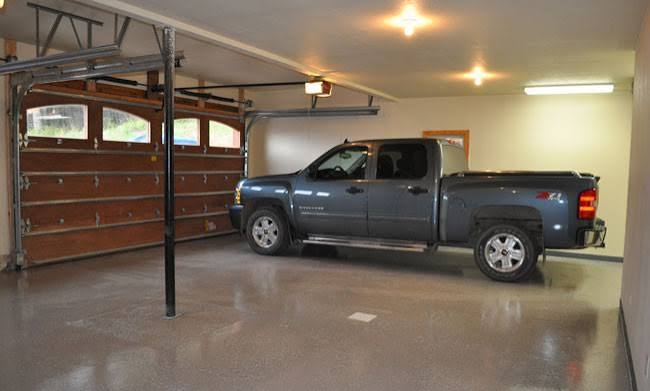
Epoxy Garage Flooring in Ruskin, FL: A Practical Guide
arages often serve as more than a place to park a car. In Ruskin, FL, they can become workshops, storage areas, hobby spaces, or busy parts of the home. That makes the condition of the concrete floor more important than many homeowners realize. Oil stains, tire marks, dust, humidity, and daily traffic can quickly make an unfinished floor look worn.
Epoxy Garage Flooring offers a practical way to create a cleaner, easier-to-maintain surface over properly prepared concrete. However, the coating itself is only one part of the project. Moisture, surface condition, product selection, application methods, and curing conditions can all affect the finished result.
For homeowners comparing flooring options, Earthstone Epoxy Coating provides a useful example of why local experience matters. Ruskin’s warm, humid climate can create conditions that require careful preparation before any coating goes down.
A successful garage floor should fit the way the space is used. The following guide explains what to consider before choosing an epoxy system, how installation works, and how to keep the finished surface performing well over time.
Why Garage Concrete Needs More Than a Basic Coating
Start With the Concrete
A durable garage floor begins beneath the coating. Concrete may contain cracks, old sealers, grease, paint, dust, or moisture that can interfere with adhesion. Covering these problems without correcting them can lead to peeling, bubbling, or premature wear.
In Ruskin, humidity deserves special attention. A slab may appear dry while moisture moves through the concrete from below. For that reason, experienced installers assess the slab before choosing a coating system or setting an installation schedule.
Surface preparation also matters because coatings bond best to clean, properly profiled concrete. Grinding or other preparation methods can remove contaminants and create the surface texture needed for adhesion.
A useful example is an older garage with oil spots near the vehicle parking area. Simply washing the floor may not remove deeply embedded contaminants. Mechanical preparation and targeted cleaning may provide a better foundation.
The same principle applies to Residential Epoxy Coatings Services in Ruskin, FL. A residential floor should be selected based on traffic, moisture exposure, storage needs, and the condition of the existing slab rather than appearance alone.
Choosing an Epoxy System for a Ruskin Garage
Match the Floor to Daily Use
Not every garage needs the same coating system. A homeowner who parks one vehicle may have different needs from someone who stores lawn equipment, works on vehicles, or uses the garage as a workshop.
A good evaluation considers expected traffic, chemical exposure, sunlight, cleaning habits, and the desired appearance. Decorative flakes can add texture and visual interest, while a suitable topcoat can provide additional protection.
Before selecting a product, ask what preparation it requires and how it performs under local conditions. Product data sheets can also clarify curing temperatures, application limits, and maintenance requirements.
Practical selection tips include:
- Assess vehicle and foot traffic before choosing the coating system.
- Check the concrete for cracks, stains, and previous coatings.
- Ask how moisture will be evaluated before installation.
- Compare the maintenance requirements of different finishes.
- Confirm the manufacturer’s curing and application requirements.
For larger facilities, Commercial epoxy flooring contractors may evaluate additional factors such as equipment traffic, chemical exposure, work schedules, and safety requirements. The same planning mindset can help residential owners avoid choosing a coating based only on color or price.
Preparing Concrete Before Epoxy Installation
Preparation Often Determines Performance
A coating cannot correct a poorly prepared slab. Before installation, the surface should be inspected for contaminants, loose material, cracks, previous coatings, and signs of moisture movement.
Mechanical preparation often plays a key role. Depending on the slab, an installer may grind the concrete, repair damaged areas, remove contaminants, and create an appropriate surface profile.
Moisture testing also deserves attention in Florida. If vapor moves through the slab at a level that exceeds the coating manufacturer’s limits, the installer may need to address the condition before proceeding.
Good preparation practices include:
- Remove oil, grease, dirt, and loose debris thoroughly.
- Repair suitable cracks and damaged concrete before coating.
- Remove incompatible sealers or old coatings when necessary.
- Check slab moisture against product requirements.
- Confirm the concrete has the required surface profile.
These steps can take more time than applying the coating itself, but they help reduce avoidable failures. In practical terms, preparation is not a cosmetic stage. It establishes the conditions that allow the flooring system to bond correctly and perform as intended.
Installation Details That Affect the Finished Floor
Application Is a Process, Not a Single Step
A professional epoxy floor in Ruskin, FL usually involves several stages rather than one simple coat. The exact system can vary, but common steps include preparation, primer or base coat, decorative elements when desired, and a compatible protective topcoat.
Application conditions matter too. Temperature, humidity, ventilation, and concrete moisture can influence working time and curing. Following the manufacturer’s specifications helps prevent problems caused by applying materials outside their intended conditions.
Homeowners should also understand the difference between dry and fully cured. A surface may feel firm before it reaches the performance level expected for vehicle traffic or heavy use.
During installation, keep these practices in mind:
- Follow manufacturer requirements for temperature and humidity.
- Maintain adequate ventilation during product application.
- Keep vehicles and stored items away during curing.
- Avoid mixing products from incompatible coating systems.
- Follow the stated recoat and return-to-service times.
EPA guidance also emphasizes ventilation when products that emit VOCs are used indoors.
For this reason, installation planning should consider both coating performance and the people using the space. Proper ventilation, product instructions, and sensible occupancy restrictions can make the process safer and more predictable.
Maintaining Epoxy Garage Flooring After Installation
Simple Care Goes a Long Way
Once the coating has fully cured, routine maintenance should remain straightforward. Regular sweeping or dust removal prevents abrasive grit from being dragged across the surface by tires and footwear.
Spills should also receive prompt attention. Automotive fluids, chemicals, and other substances should be cleaned according to the coating manufacturer’s recommendations rather than with an aggressive cleaner chosen at random.
Helpful maintenance practices include:
- Sweep loose dirt and grit regularly.
- Clean spills promptly to reduce staining risks.
- Use cleaners recommended for the coating system.
- Avoid harsh tools that can scratch the finish.
- Inspect high-traffic areas periodically for damage.
A garage floor can still experience wear, even with a durable coating. Moving heavy equipment, dragging sharp objects, or allowing sand and gravel to accumulate can gradually affect the finish.
For homeowners using Residential Epoxy Coatings Services, routine care should also reflect how the garage functions. A workshop may need more frequent cleaning than a simple parking area. Keeping the floor free of abrasive debris is one of the easiest ways to preserve its appearance.
When Professional Epoxy Flooring Makes Sense
Look Beyond the Surface Appearance
DIY kits can appear attractive because they offer a lower initial cost. Yet the final result depends heavily on preparation, product compatibility, application conditions, and experience with concrete coatings.
Professional assessment becomes especially useful when the slab has old coatings, significant staining, cracks, moisture concerns, or uneven areas. An experienced installer can identify conditions that may not be obvious during a quick visual inspection.
Before hiring a contractor, consider these questions:
- Can the contractor explain the preparation process clearly?
- Will the concrete receive an appropriate moisture assessment?
- Which coating products and system layers will be used?
- What curing and maintenance instructions will be provided?
- Can the contractor explain limitations without making guarantees?
The same questions apply when comparing Commercial epoxy flooring contractors in Ruskin, FL for shops, warehouses, service areas, or other demanding spaces.
A quality decision should balance appearance, performance, preparation, maintenance, and long-term use. In Ruskin, local climate conditions add another reason to evaluate the concrete and installation environment carefully instead of treating every garage as the same project.
Conclusion
A successful Epoxy Garage Flooring project starts with the concrete, not the color chart. Proper preparation, moisture awareness, suitable materials, controlled installation, and regular maintenance all contribute to long-term performance. Local conditions in Ruskin also deserve consideration when planning the work. For homeowners researching their options, Earthstone Epoxy Coating represents the value of approaching garage flooring as a complete system rather than a simple surface upgrade. The best floor is one selected and installed according to how the space will actually be used.
FAQs
How long does epoxy garage flooring usually last?
The service life depends on the coating system, concrete preparation, traffic, maintenance, and exposure conditions. A properly prepared residential garage with normal vehicle use can provide years of service. Heavy equipment, chemical exposure, poor preparation, or moisture problems can reduce performance, so installation quality matters as much as product selection.
Can epoxy be installed over an old garage floor coating?
Sometimes, but not automatically. The existing coating must be firmly bonded and compatible with the proposed system. Loose, peeling, contaminated, or incompatible material may need removal before installation. A contractor should inspect the existing surface and determine the appropriate preparation method before applying another coating.
Is epoxy flooring suitable for humid Florida garages?
It can be suitable when the concrete and installation conditions meet the coating manufacturer’s requirements. Humidity and slab moisture should receive careful attention before installation. Testing the concrete, preparing the surface correctly, and following product specifications can help reduce problems associated with poor adhesion or moisture-related coating failure.
How should an epoxy garage floor be cleaned?
Routine sweeping removes abrasive dirt and grit, while prompt cleanup helps prevent stains. Use cleaning products recommended for the specific coating system. Avoid assuming that strong solvents or abrasive tools are better. The manufacturer’s maintenance instructions provide the safest starting point for preserving the finish and avoiding unnecessary surface damage.